In 1993, three fighting organisations launched within months of each other. K-1 debuted on April 30 in Tokyo, Pancrase followed on September 21, and the UFC held its first event that November. The timing was not a coincidence, the world was hungry for real fighting, and the entertainment of that era had been feeding that hunger for years. Shihan Nicholas Pettas discussed the influences ahead of SENSHI 31.
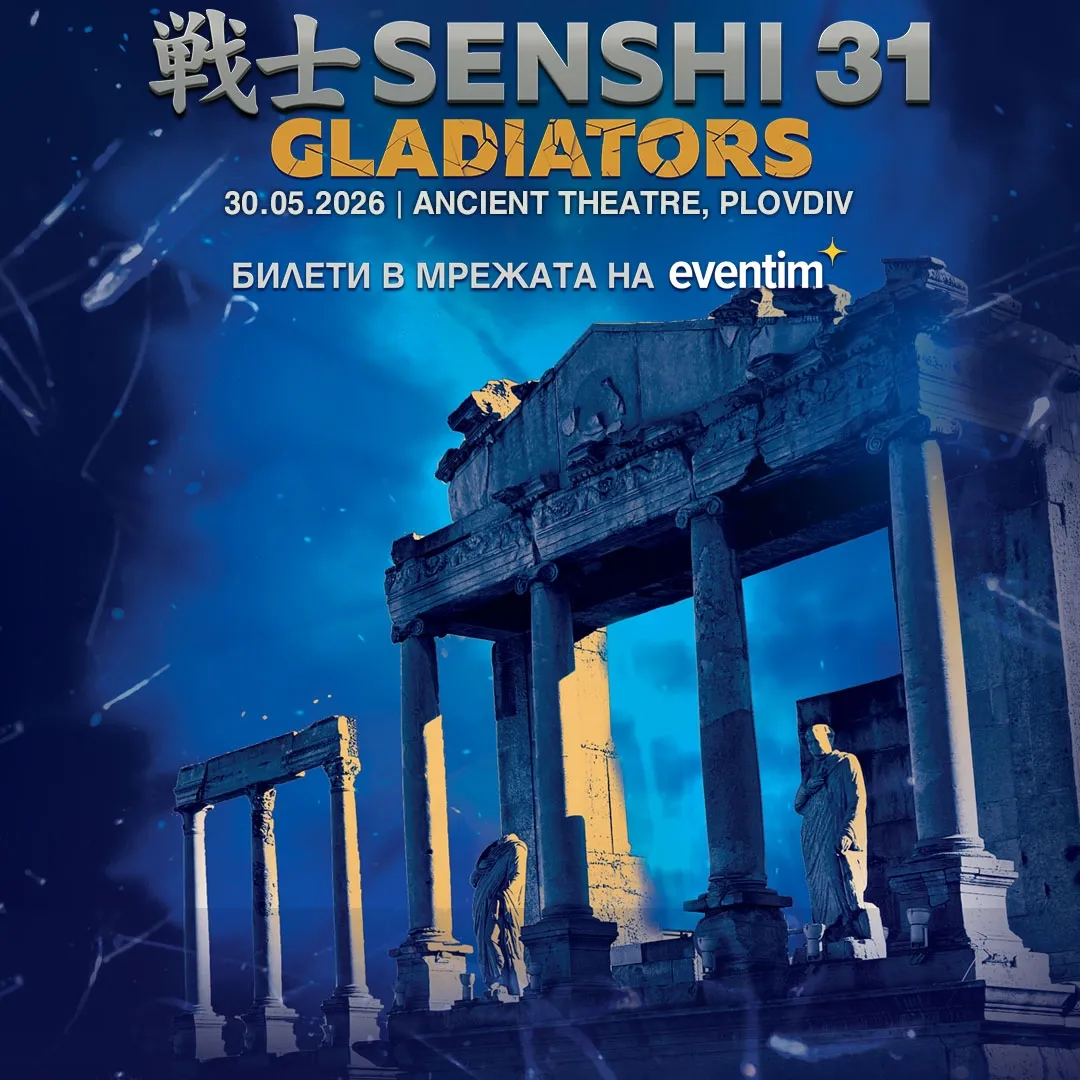
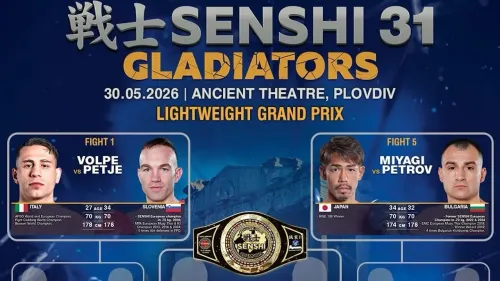
SENSHI 31 takes place on May 30 at the Ancient Theatre in Plovdiv, Bulgaria. The event streams live at 7:30 PM local time and can be watched for FREE on TrillerTV.
The early 1990s sit in a specific cultural moment. Street Fighter II arrived in arcades in 1991 and quickly became the most talked-about game on the planet. Mortal Kombat landed in 1992 and pushed the conversation further with digitised fighters, graphic fatalities, and a roster built around the same question combat sports were asking: What martial art was the best?
Manga, Anime, and Dragon Ball
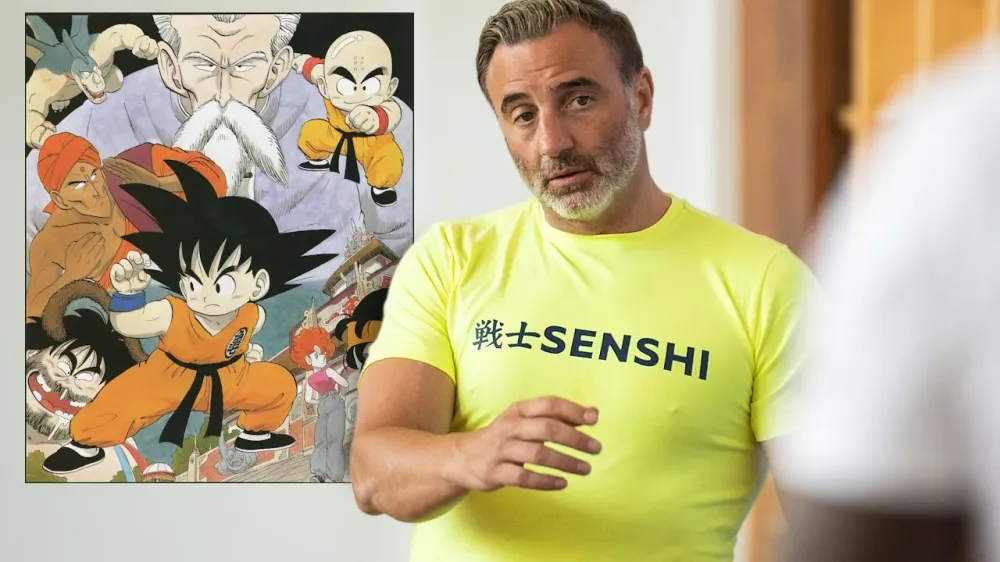
Shihan Nicholas Pettas, the last uchideshi of Kyokushin Karate founder Masutatsu Oyama and a 2001 K-1 Japan Grand Prix champion, has a precise answer for where K-1's concept came from. Speaking ahead of SENSHI 31, which takes place at the Ancient Theatre of Plovdiv on May 30, Pettas explained what K-1 producer Kazuyoshi Ishii and his right-hand man, Sadaharu Tanikawa, were actually building.
"The whole theme for K-1 really was built off Dragon Ball," Pettas said. "In Dragon Ball, they always have these tournaments where they fight all these different characters. So it's basically Dragon Ball in real life. K-1 producer Ishii said that, and also Tanikawa."
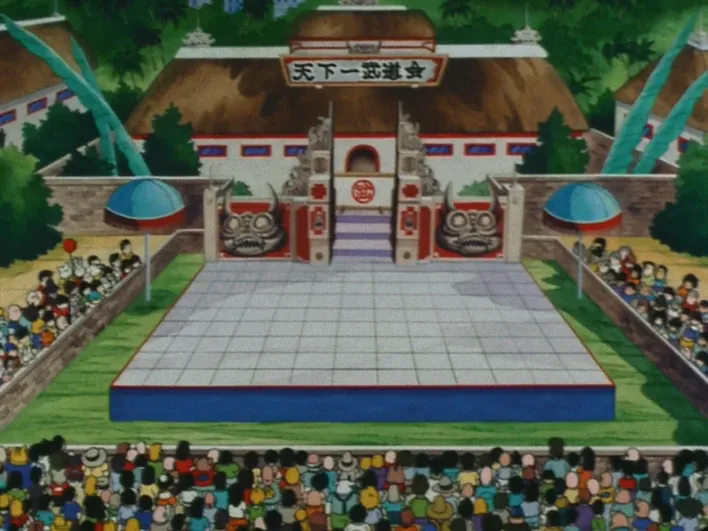
Dragon Ball, Akira Toriyama's manga that began serialisation in 1984, built its core identity around the Tenkaichi Budokai, the World Martial Arts Tournament, a competition where fighters from completely different backgrounds enter a bracket to determine who is the strongest. The format became so influential in shonen manga that tournament arcs became a genre staple. K-1 and later other kickboxing promotions took that structure and made it physical, putting karate, Muay Thai, kickboxing, kung fu, and other disciplines against each other under one set of rules.
Tanikawa's background made him the right person to steer that concept. According to Pettas, he had spent years as chief editor of Gonkaku, the largest martial arts magazine in Japan. His childhood, like many Japanese children of his generation, was shaped by fighting manga. Pettas described the specific titles that defined that world.
"There's a manga and a cartoon about Mas Oyama, Karate Baka Ichidai, and then there's Hajime no Ippo, and the really famous one is Ashita no Joe, which is Tomorrow's Joe," Pettas said. "It was written by the same guy that wrote the one about Mas Oyama.”
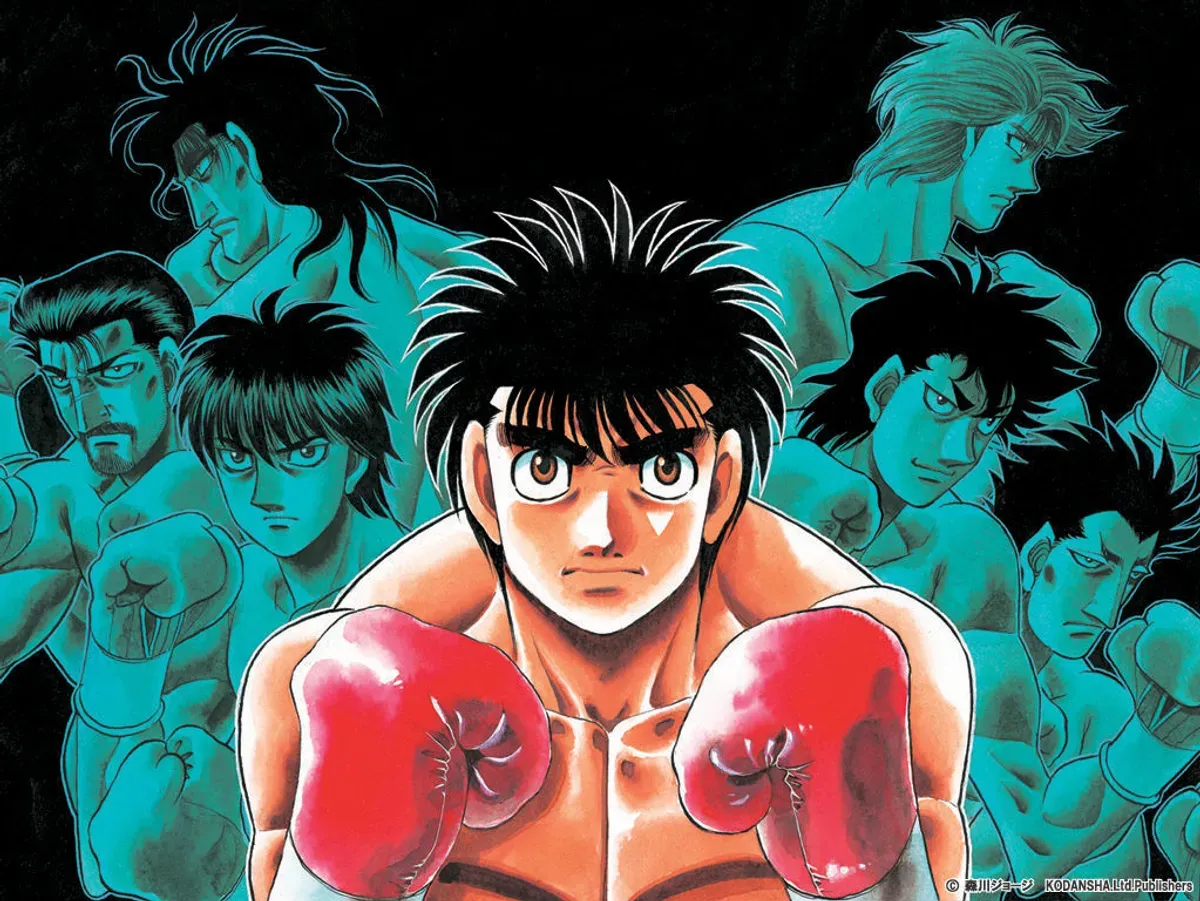
That writer was Ikki Kajiwara. His Karate Baka Ichidai, published in Weekly Shōnen Magazine between 1971 and 1977, was drawn directly from the life of Mas Oyama and ran for 29 volumes. His Ashita no Joe, a boxing manga from 1968, is considered one of the most influential manga series ever produced in Japan, helping establish the tournament structure and underdog narrative that would shape an entire genre. Hajime no Ippo, another boxing manga that began in 1989, continued that tradition into the generation that built K-1. Pettas described what those stories meant to Japanese audiences.
"It's always about who's the David and Goliath, the myth that takes something down," he said. "So they love putting me up against bigger guys. And if you look at my fight record, it's half and half. I either knock someone out or I get knocked out."
Pettas's own path to K-1 runs through one of the sport's founding moments, told as he experienced it. He completed the 1,000-day uchideshi programme under Mas Oyama, becoming the second non-Japanese person ever to finish it and, with Oyama's death shortly after his graduation, the last. On the day he graduated, something else happened.
"Sosai [Oyama] came to the dojo, he was staying in the hospital and came back to attend the ceremony," Pettas said. "And after the ceremony finished, Andy Hug, Sam Greco, and Michael Thompson all showed up to say thank you very much for Kyokushin, and they were leaving for K-1 on the graduation day. I shook all their hands, still wearing my suit. When they walked into Sosai's office, I was star-struck."
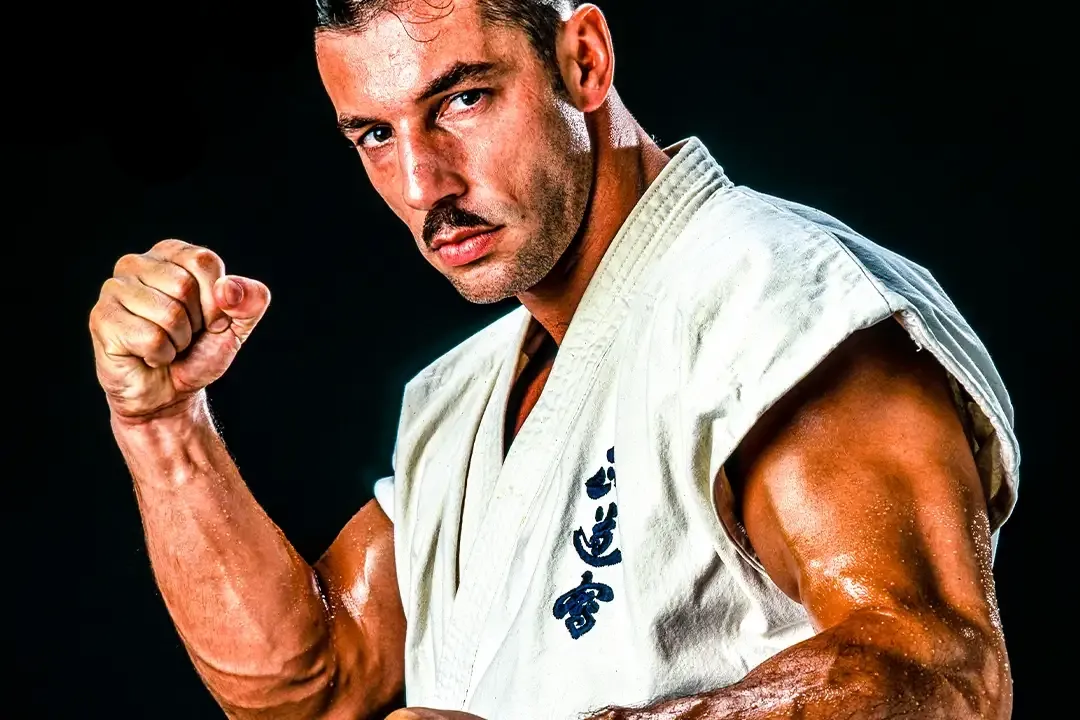
Andy Hug, the Swiss karateka, was one of the defining names of early K-1. Sam Greco, an Australian five-time Kyokushin heavyweight champion, had already left the organisation in October 1992 to join Seidokaikan and turned professional ahead of K-1's launch. Both carried Kyokushin credentials into a promotion that was, at its core, a tournament built on the anime premise of finding the world's strongest fighter.
"It truly was like Mortal Kombat gone to play," Pettas said of that era. " It was a legendary time. Oh my God, it was incredible."
When an offer to fight in K-1 came for Pettas, the weight of that moment was not lost on him. "Without Andy doing that and Sam doing that, there would never have been our chance to get there," he said. “My debut fight was at Rainbow Hall in Nagoya, the biggest hall in Nagoya, 36,000 people.”
That debut, and everything around it, sat inside something larger than sport. K-1 answered a question that manga, anime, and video games had been posing for at least two decades: if you put every martial art in a bracket, who walks out of the final? It was, as Pettas confirmed from the source, Dragon Ball in real life, and the timing, landing in 1993 alongside Pancrase and the UFC, were all part of the same question.
SENSHI 31 ON MAY 30
SENSHI 31 carries a version of that same format to the Ancient Theatre of Plovdiv, a Roman-era venue that once hosted public spectacles. Pettas, now a SENSHI ring announcer and board member of KWU SENSHI, will be ringside again, this time watching the tournament format he helped make famous play out in the 2,000-year-old arena.
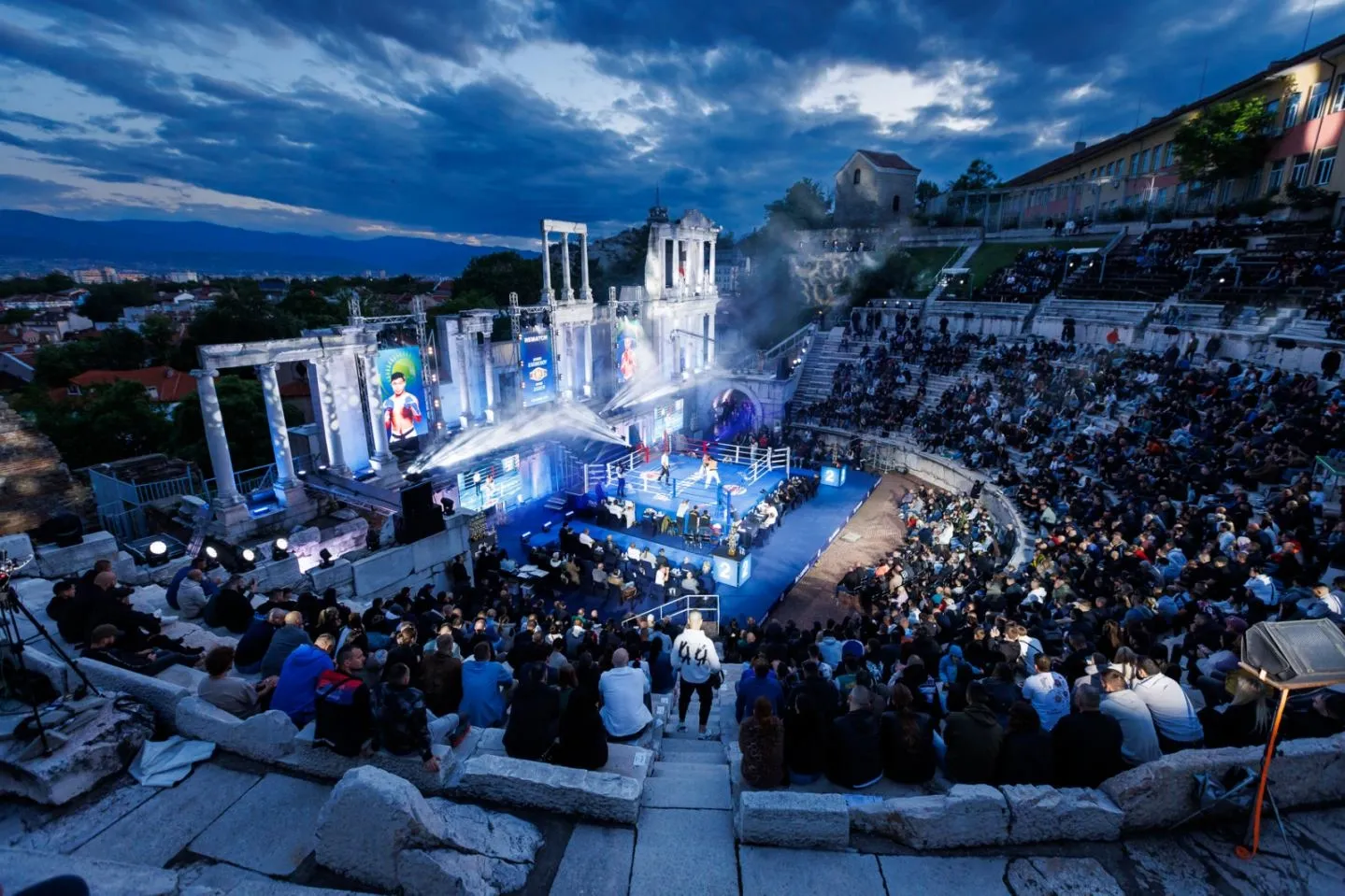
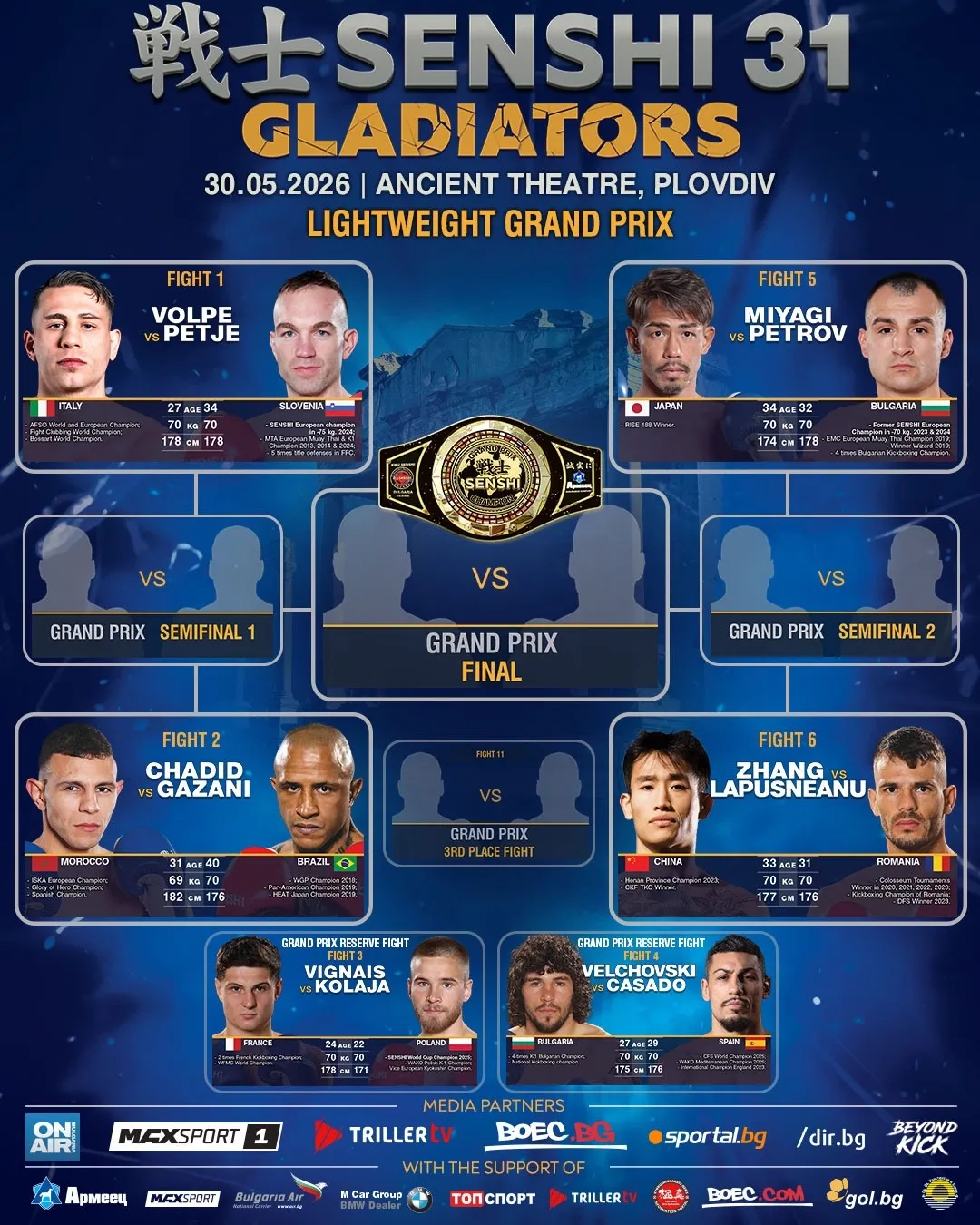
The card centres on an eight-man Grand Prix at 70 kg, with the winner required to get through three fights in a single night. Benjamin Adegbuyi, who holds a 35-10-1 record with 20 knockouts and a 2021 win over Badr Hari, meets Bulgarian heavyweight Daniel Dinev in a 95+ kg super fight. Dinev enters the promotion as a 14-time Bulgarian heavyweight champion and 2023 World Championship bronze medalist.