KWU SENSHI’s July programme in Varna brought youth competition, amateur development, elite coaching, and professional kickboxing together under one umbrella. Through the 20th International Martial Arts Summer Camp, the World Cup for Amateurs, and SENSHI 32, the organisation turned Bulgaria’s Black Sea coast into a meeting point for athletes at every stage of their careers.
The model is simple: bring young karateka, amateur strikers, coaches, referees and established professionals into the same environment, then give each group a clear next opportunity. In a sport where pathways are often split between styles and national federations, KWU SENSHI is connecting Kyokushin karate, K-1, kickboxing, Muay Thai-influenced rules and professional events under one structure.
XX International Martial Arts Summer Camp 2026
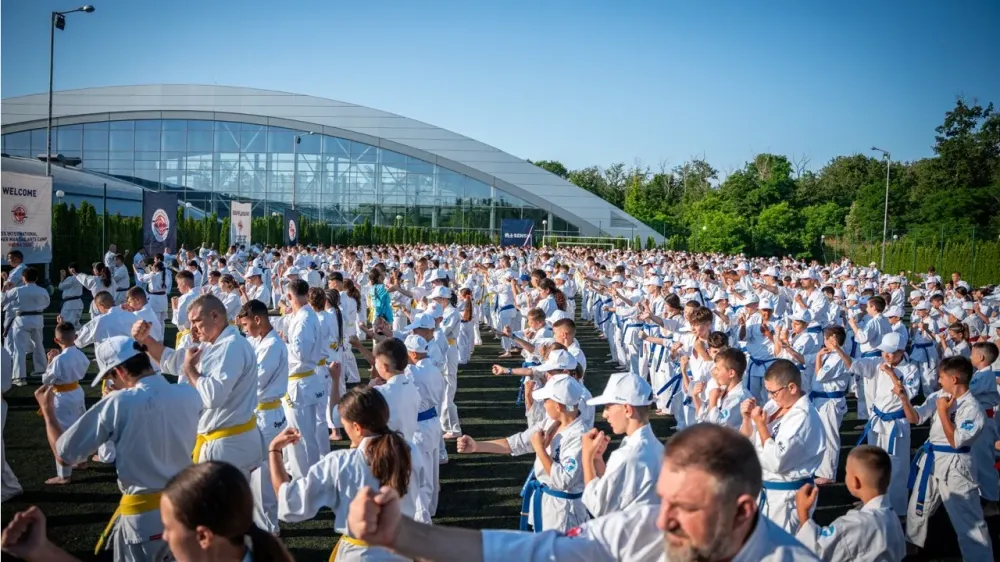
The 20th International Martial Arts Summer Camp ran from July 5 to 12 near Varna and drew more than 1,600 participants from 49 countries. The programme featured Kyokushin karate, K-1 and kickboxing sessions, Iaido masterclasses, referee seminars and tournament competition.
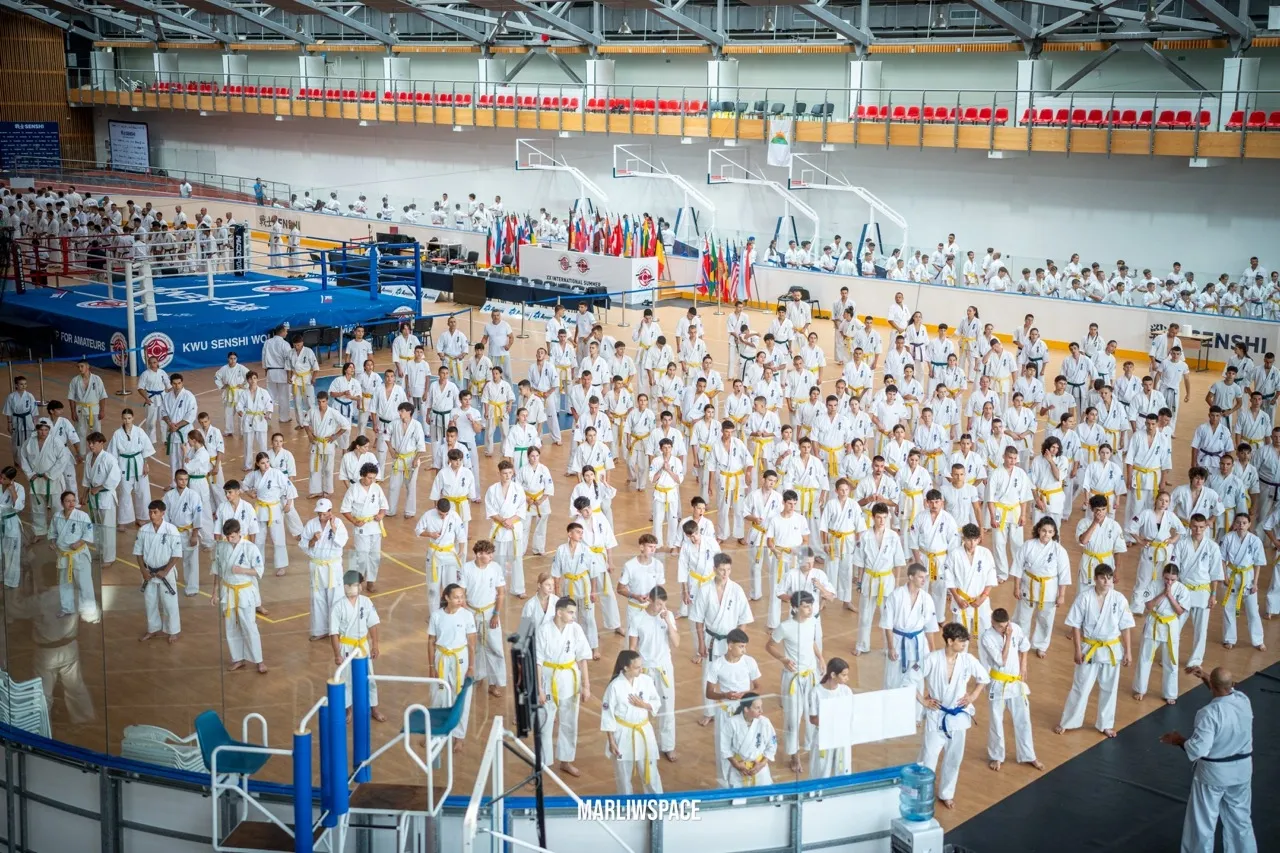
That scale gives Bulgaria a role beyond hosting a single fight night. Varna became a temporary training base for competitors and coaches from Europe, Asia, South America and elsewhere, while also giving Bulgarian athletes access to international training partners without leaving home.
The coaching roster combined names from Kyokushin and kickboxing. Semmy Schilt, Ernesto Hoost, Albert Kraus, Andy Souwer, Sam Greco, Ray Sefo and Nicholas Pettas led K-1 and kickboxing work, while Akira Masuda, Francisco Filho, Ryu Narushima, Glaube Feitosa, Ewerton Teixeira, Tariel Nikoleishvili, Andrews Nakahara, Jan Soukup and Yusuke Fujii were part of the Kyokushin programme. Bulgarian Kyokushin figures Asen Asenov, Zahari Damyanov and Petar Martinov also took part.
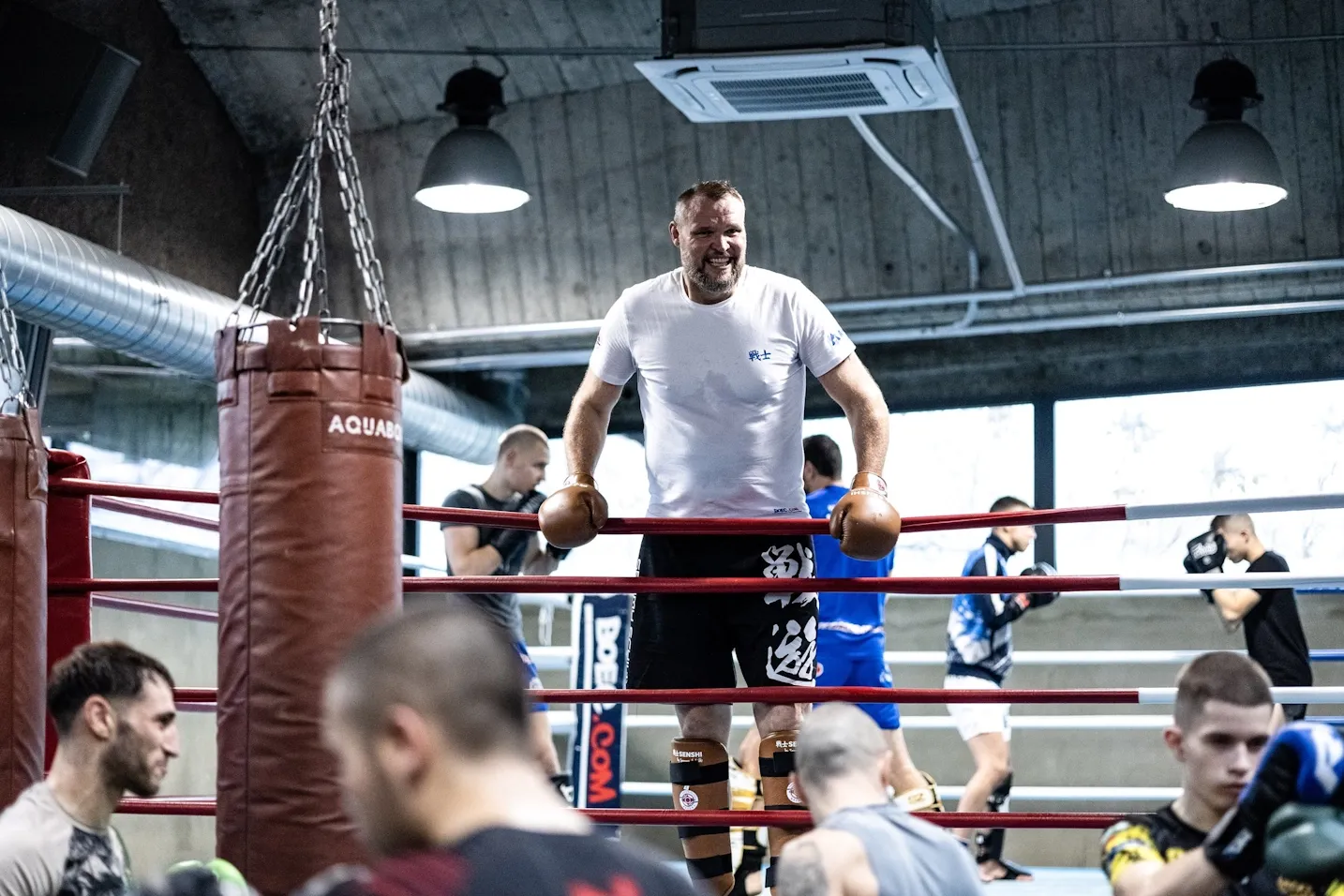
For an athlete, that mix can be more useful than a standard seminar. A Kyokushin fighter can work with specialists who understand distance, low kicks and full-contact conditioning, then see how those habits translate into ring competition. A kickboxer can train beside karate practitioners whose movement, timing and body kick game come from a different competitive tradition.
The daily schedule included two Kyokushin sessions and two K-1 sessions, alongside Iaido and officiating education. The growth of a combat-sports scene relies on more than fighters; qualified coaches, officials and organisers are needed for competition to expand safely and consistently.
The camp’s competitive calendar began with the Kyokushin World Cup Varna on July 7. The tournament drew 435 competitors from 25 countries and focused on karateka aged 14 to 21, giving younger athletes an international event before they reach senior-level competition.
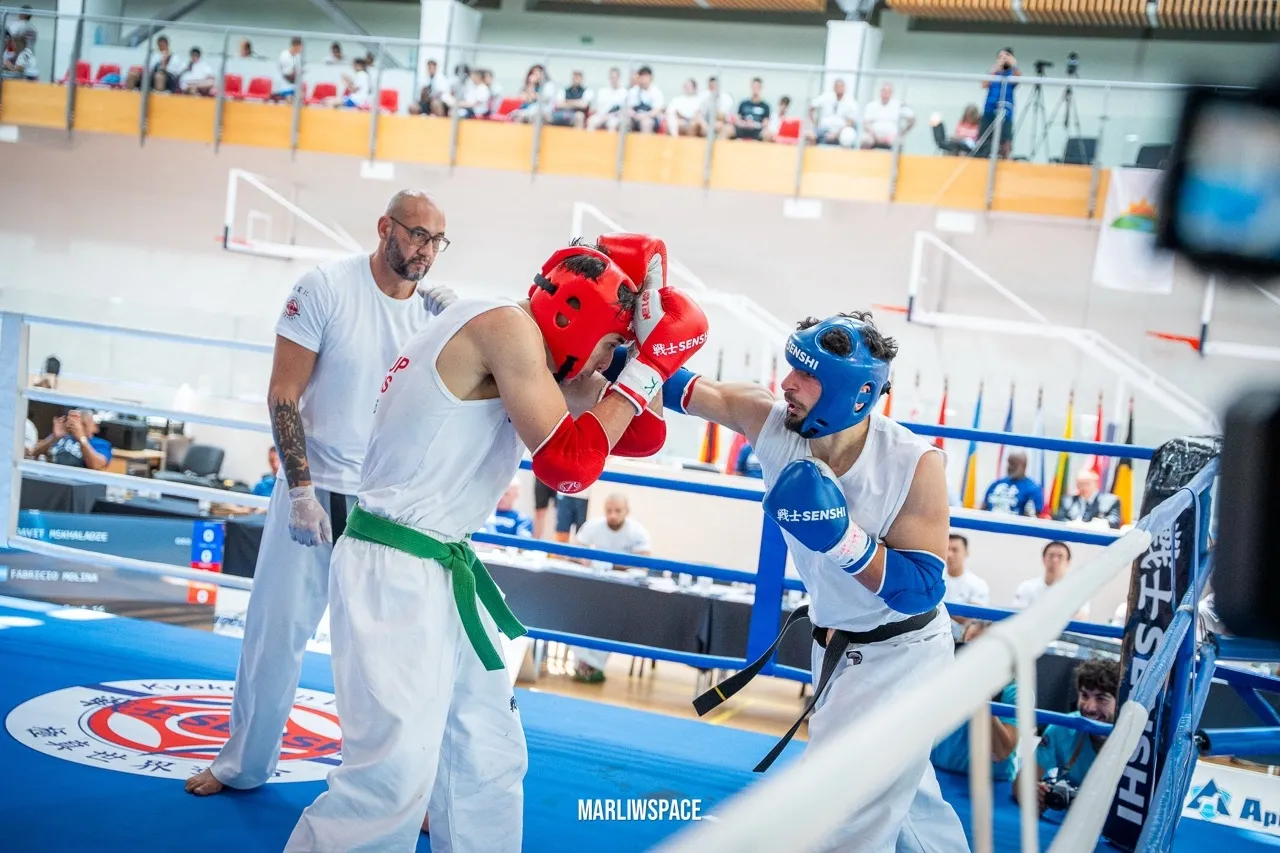
That youth component is central to the ecosystem. It gives teenagers a reason to remain in karate and lets them measure their level against opponents outside their domestic circuit. For Bulgaria, hosting hundreds of young competitors also puts local clubs and coaches in direct contact with other training methods, refereeing standards and competitive cultures.
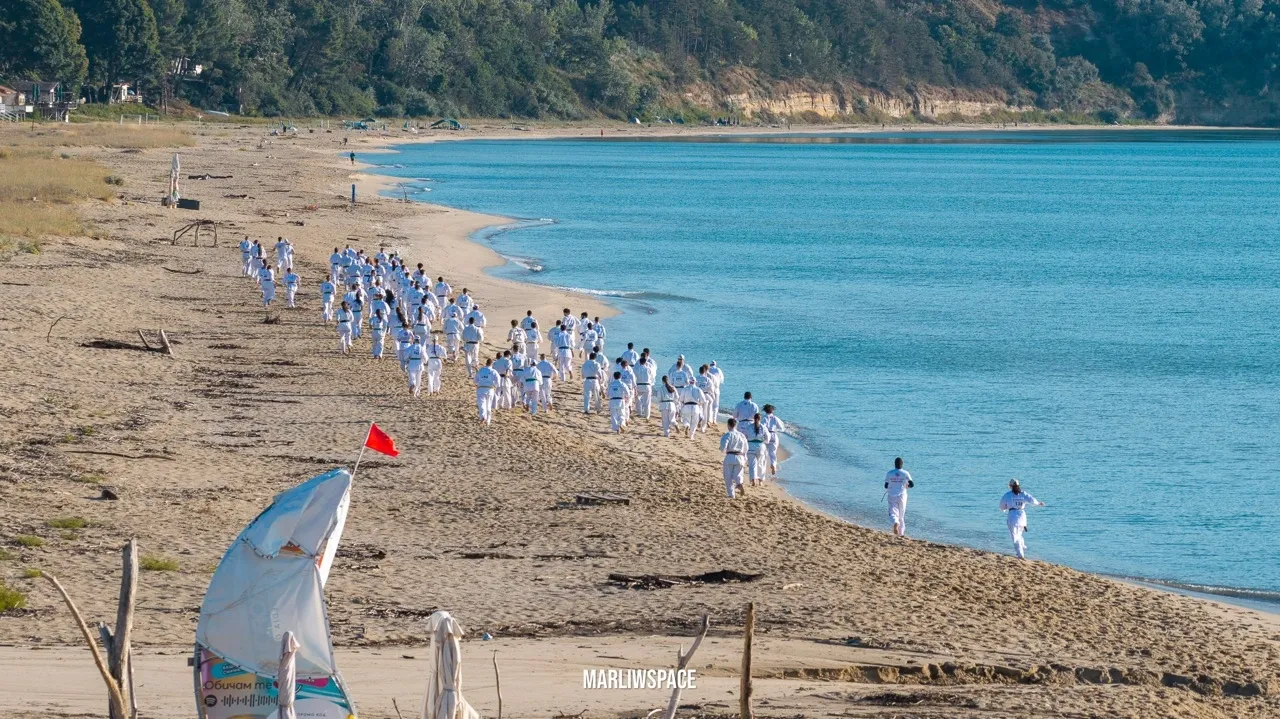
Training sessions by the sea have become part of the camp’s identity as well. The outdoor setting is visually useful for public engagement, but it also places martial arts in front of visitors and local residents who might not normally attend a dojo or fight card. The summer camp’s participant figure shows that this is no small gathering, as it is one of the largest international martial-arts events on Bulgaria’s annual sporting calendar.
KWU SENSHI World Cup for Amateurs 2026 Crowns Its New Champions
The KWU SENSHI World Cup for Amateurs ran as the next step in the week’s progression, bringing 48 fighters from 21 countries into six weight divisions. It was the third edition of the tournament, held under rules that combine full-contact karate and Muay Thai elements.
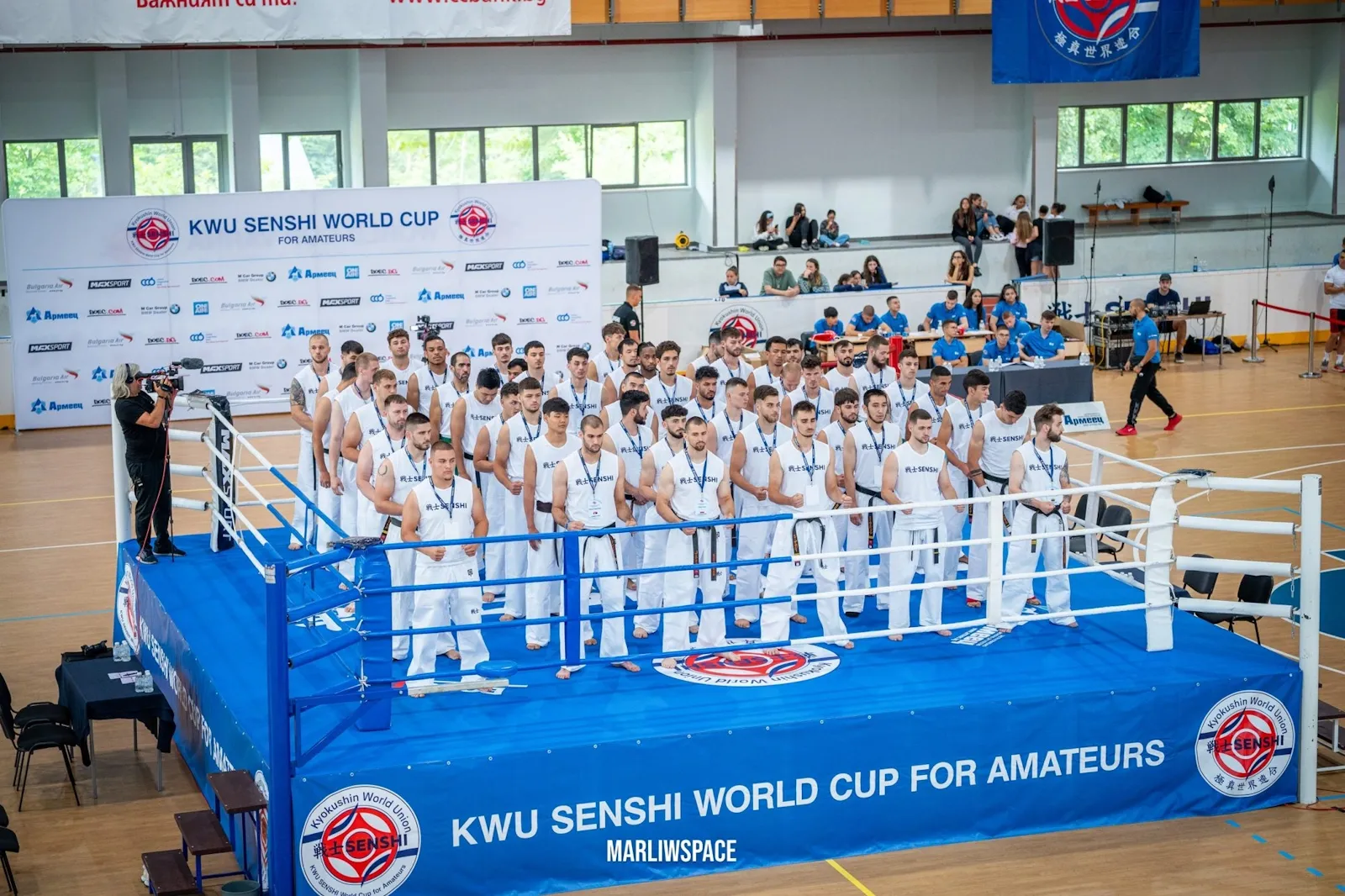
The ruleset offers a practical bridge for athletes from several striking backgrounds. Rather than asking a Kyokushin competitor, kickboxer or Muay Thai athlete to abandon their base, it creates a shared ring format in which they can adapt their strengths against international opposition.
After qualification rounds and semifinals, Manuel Menendez of Japan (-70 kg), Nikodem Swies of Poland (-75 kg), David Staicu of Romania (-80 kg), Fabricio Molina of Argentina (-85 kg), Lucian Genunchi of Moldova (-90 kg) and Pablo Molina of Argentina (+90 kg) won the six titles. Each winner received prize money, while the finalists gained a route to demonstrate their ability in front of the worldwide combat sports community.
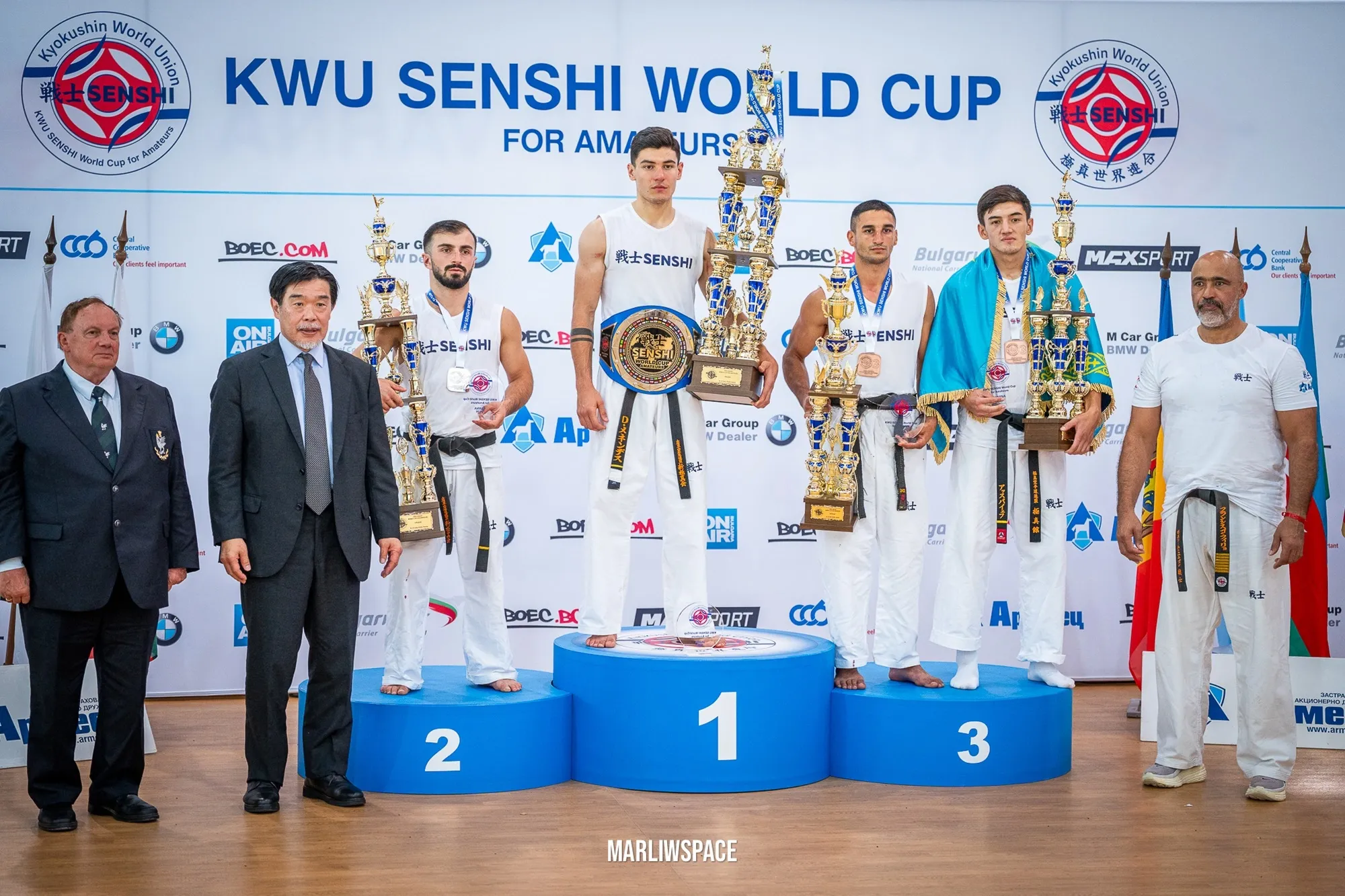
Argentina collecting two championships showed the reach of the field, while winners from Japan, Poland, Romania and Moldova gave the tournament a expansive geographic spread. The range of nationalities also show the value of a format that can attract athletes from karate and striking systems that do not always share the same competition calendar.
The event’s position within camp week gives amateur fighters opportunities they otherwise would not have had. They trained in an environment shared by high-level instructors and then competed before the professional gala took centre stage. That is a useful step for athletes considering a move from amateur tournaments into paid competition, especially when they can watch the next level in person hours after their own finals.
SENSHI 32
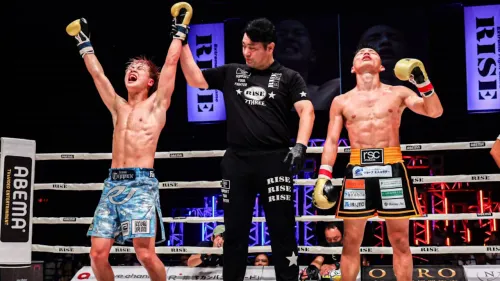
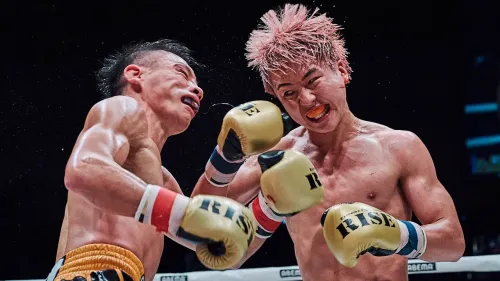
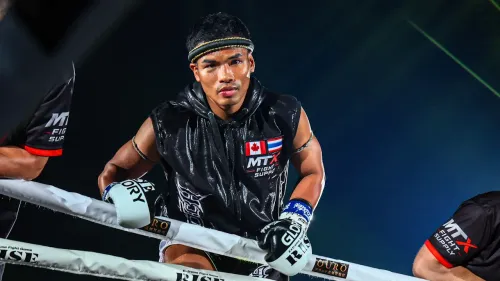
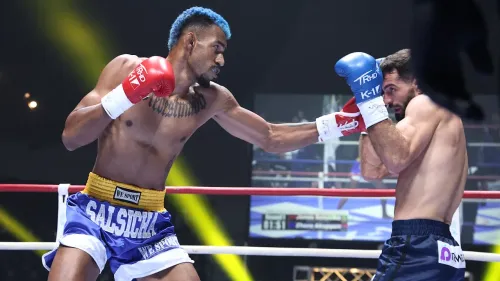
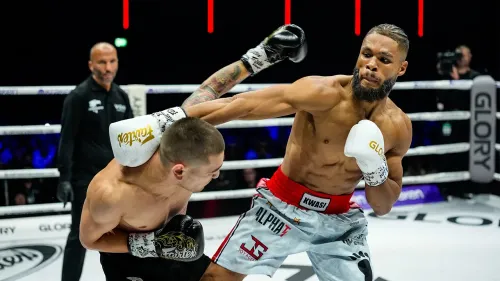
SENSHI 32 followed on July 11 at a purpose-built beach arena in the St. St. Constantine and Helena Resort near Varna. The event featured a one-night -85 kg Grand Prix, reserve bouts, and two super fights. Sixteen professional fighters from 13 countries competed on the card, with four bouts ending by knockout.
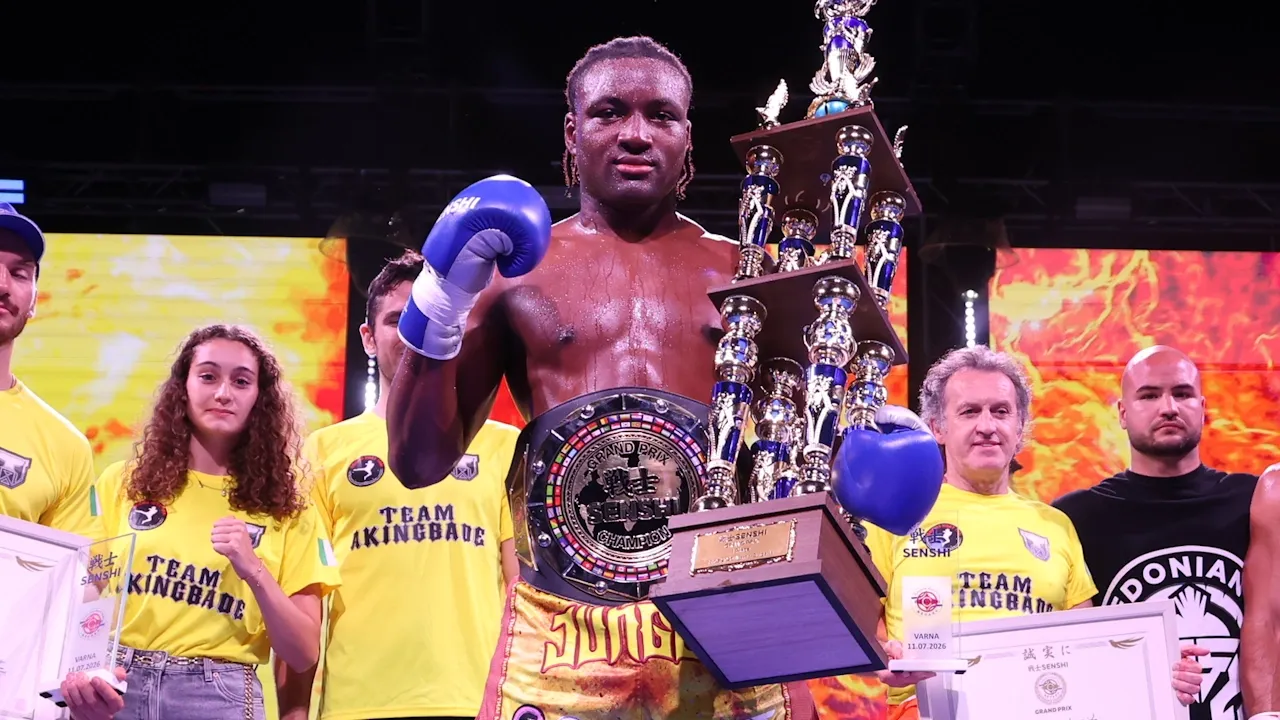
Ireland’s Joshua Akingbade won the middleweight Grand Prix, securing the belt after three fights in one evening and collecting two knockout victories.
The Grand Prix format placed Akingbade in a field that included Bulgaria’s Ali Yuzeir, Hungary’s David Szabo-Toth, Italy’s Fabian Lorito, Switzerland’s Ulric Bokeme, Portugal’s Juri de Sousa, Suriname’s Miles Simson and Canada’s Olivier Langlois-Ross.
The super-fight portion included Bulgarian -75 kg Grand Prix champion Zhulien Rikov against Italy’s Daniele Valente under KWU Full Contact rules, plus England’s Nathan Cook against Albania’s Francesco Xhaja at 95 kg and above.
SENSHI 32 showed the professional end of the pathway in clear terms. The amateur World Cup winners had just competed in the same city, within the same camp environment, before a Grand Prix winner left with a professional belt.
It also matters for Bulgarian fans. Local fighters such as Rikov and Yuzeir were placed in prominent roles against international opposition, while the promotion brought visitors, athletes, teams and broadcast attention to the Varna region. The event was available through SENSHI’s YouTube channel and TrillerTV internationally, with additional distribution through Swerve Combat in the United States and Canada and Bulgarian outlets including Bulgaria ON AIR, DIEMA and MAX Sport 1.
SENSHI Opens Registration for the September Training Camps
KWU SENSHI and SENSHI have already opened applications for their next training camps, scheduled for September 3 to 6 in Varna ahead of SENSHI 33 Grand Prix. The September programme is aimed at competitors and coaches and is expected to include technical development, professional education and knowledge exchange. Keeping camps close to major gala events gives active fighters a chance to train, network and remain connected to the competition side of the organisation.
The next stage of the calendar arrives from September 3 to 6, when Varna hosts the KWU SENSHI Camp and SENSHI Camp ahead of SENSHI 33 Grand Prix. Four-time K-1 World Grand Prix winner Semmy Schilt, Ernesto Hoost, Albert Kraus, Andy Souwer, Tariel Nikoleishvili and Jan Soukup are scheduled to lead sessions focused on technique, tactics and fight preparation.
The camps are open to fighters and coaches, with organisers covering expenses for approved participants, removing a major barrier for athletes who may otherwise struggle to access high-level international coaching. The programme also gives promising fighters a chance to work in front of the SENSHI scouting team, making the camp a potential entry point to future opportunities on the promotion’s events. Applications close on August 5.
There is a clear pattern in how KWU SENSHI is operating. Young competitors can enter through karate events, amateurs can test themselves in the World Cup, established strikers can work with recognised instructors, and professionals can compete on the SENSHI stage.
Access to experienced coaches, international opponents, prize money, scouting and a visible route from karate to professional ring competition is a boon to athletes. Coaches and officials gain education and working relationships that can raise standards inside their own clubs and national scenes, while promoters benefit from a deeper pool of prepared fighters.
Bulgaria and Varna gain visiting teams, fans and international broadcast exposure, with local competitors able to test themselves against established foreign talent on home ground. By bringing these groups together repeatedly rather than treating each event as a one-off, KWU SENSHI is creating a working cycle in which participation feeds development, development produces stronger competition and stronger competition creates more opportunities for this generation and the next.