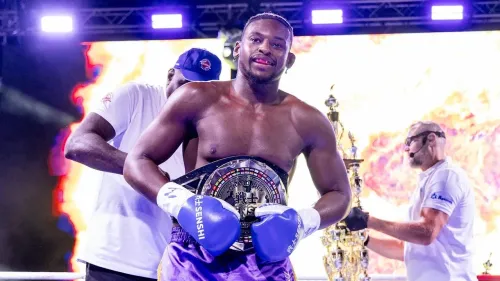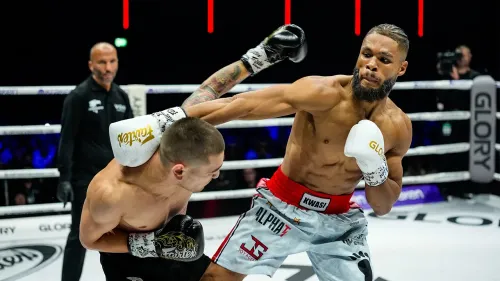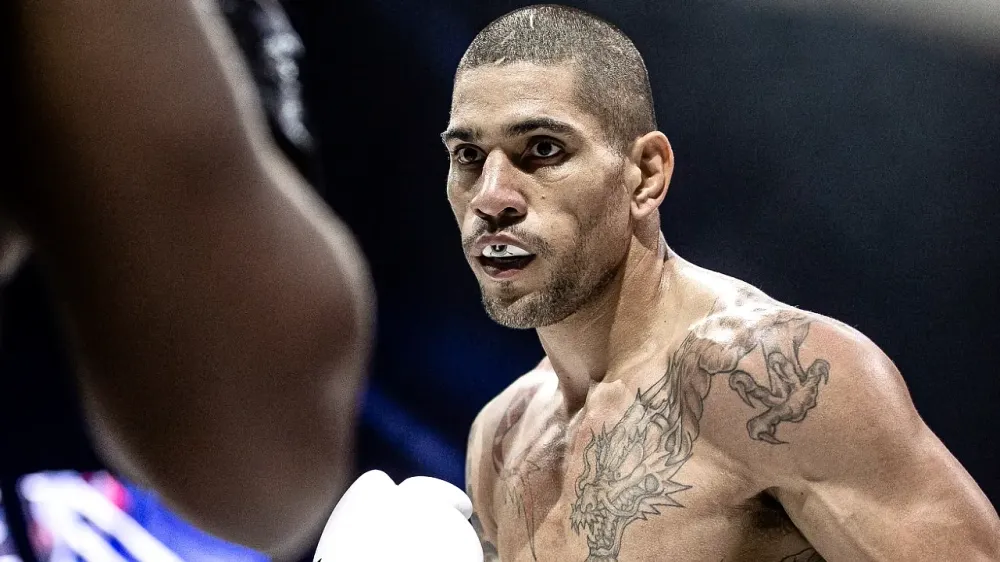
Alex Pereira’s meteoric rise through the MMA world has been nearly unprecedented. In just four years with the UFC, he has captured titles in two divisions and most recently reclaimed the light heavyweight crown from Magomed Ankalaev at UFC 320. Now, at UFC Freedom 250, he faces former interim heavyweight champion Ciryl Gane with the chance to become the promotion's first three-division champion.
His success has sparked debate not only about his place among MMA’s greats, but also his standing among combat sports’ greatest talents.
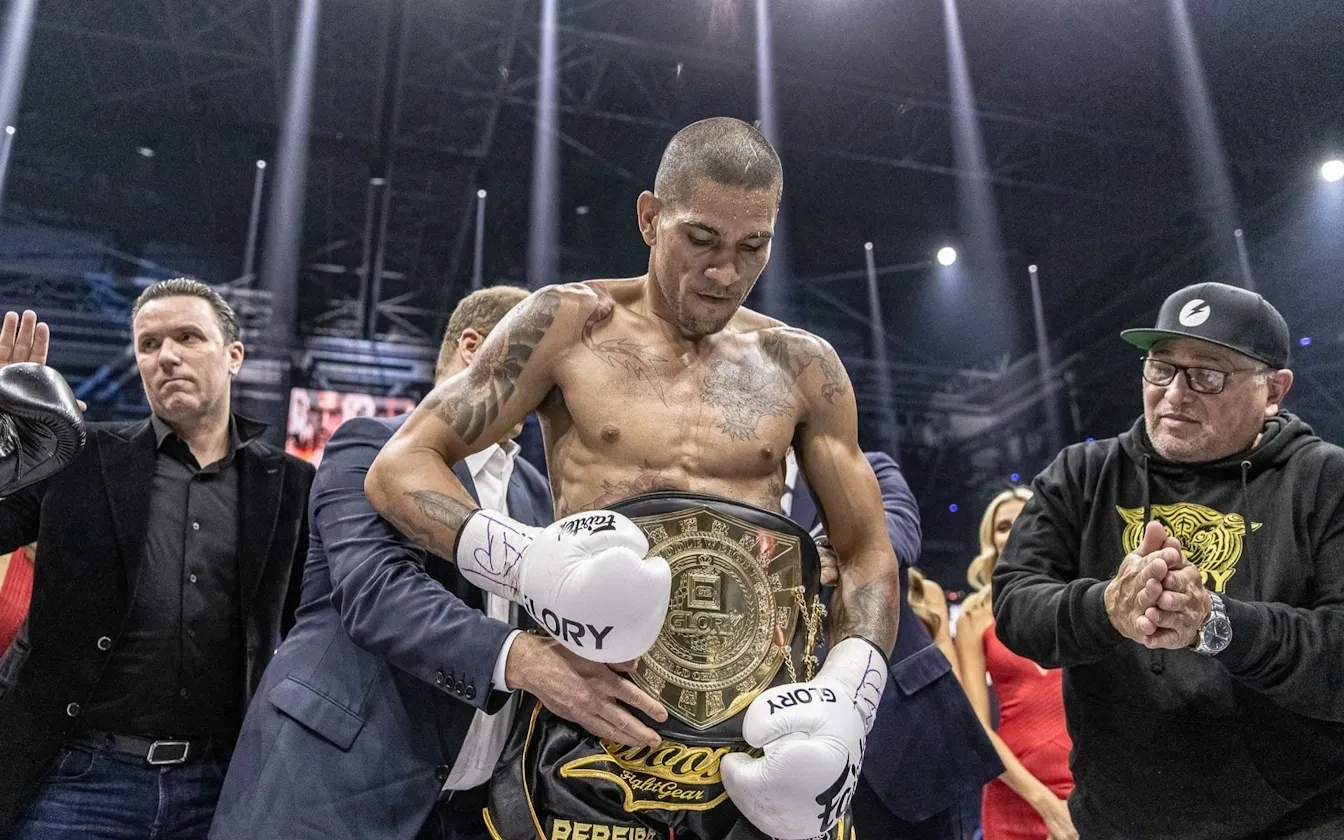
To understand the full scope of Pereira’s legacy, however, we need to take a closer look at his kickboxing career. Kickboxing achievements can be difficult to gauge for the uninitiated, especially for American fans, where the sport isn’t as prominent as it is in Europe or Asia.
While being a two-division GLORY champion and a GLORY Hall of Famer certainly sounds impressive on paper, the true weight of those accomplishments requires context. So, let’s dive deeper into the career of "Poatan."
LATE BEGINNINGS
Unlike most professional athletes, Pereira got a late start to his career. Most fans already know his rough beginnings, so we’ll skip over that. In 2012 at 25 years of age, Pereira made his professional debut at Jungle Fight 37 before moving on to Brazil’s top kickboxing promotion, WGP, where he built a 4-0 record.
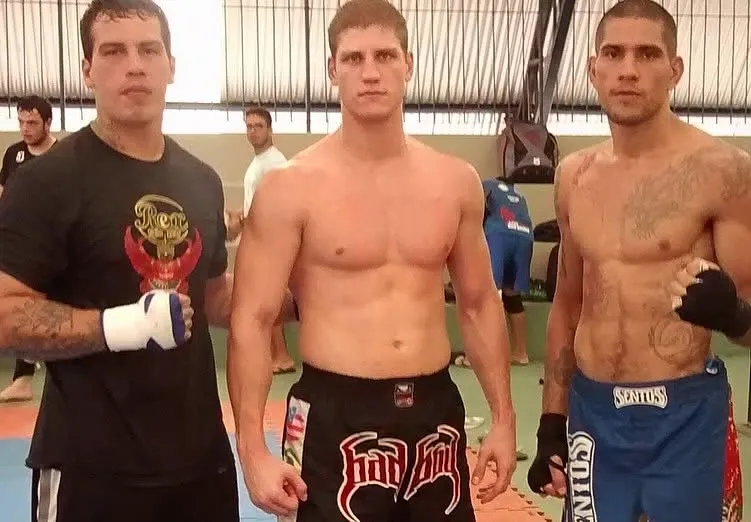
That same year, he faced fellow Brazilian Felipe Micheletti, a fighter who would also make it to the world stage, though without quite the same success. Still, Micheletti proved to be a solid challenge early in Pereira’s rise.
THE WORLD STAGE
Later that year, Pereira received his first international assignment, a clash with future GLORY champion Jason Wilnis in the first of their three encounters, with the vacant It’s Showtime 85 kg title on the line. The Brazilian started strong, landing hooks to the head and keeping Wilnis at bay with rear teeps. But as the rounds went on, Wilnis’s power began to tell. In the second round, he turned up the pressure, dropping Pereira with a crushing body shot before finishing the fight with two heavy knockdowns, handing him his first knockout loss.
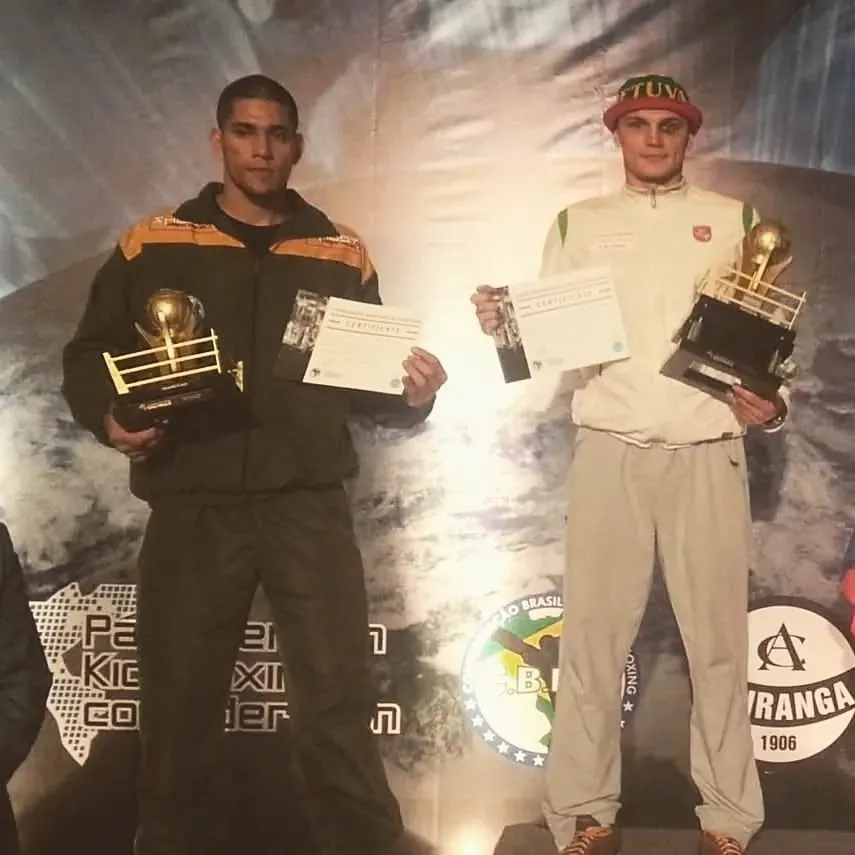
In late 2013, he returned to the amateur ranks to compete at the W.A.K.O. World Championships at -91 kg. Pereira earned wins in both the quarterfinals and semifinals before falling short in the final against none other than Sergej Maslobojev, another future GLORY champion, where he would lose a decision, and take home the silver medal.
IT'S TIME FOR GLORY
Following three more victories and a setback against César Almeida, a future GLORY fighter who recently joined the UFC, Pereira made his GLORY debut in Croatia. He competed in a four-man middleweight contender tournament featuring Jason Wilnis, the pre-tournament favorite; Sahak Parparyan, a former It’s Showtime Champion on a four-fight losing streak; and American contender Dustin Jacoby.
Pereira disposed of Jacoby early, and to everyone’s surprise, Parparyan eked out a split decision over Wilnis. In the tournament final, Pereira dropped the Armenian in the first round and went on to win a majority decision.
Only three months later, GLORY held what was perhaps the most stacked middleweight tournament in its history: GLORY 17: Los Angeles – The Last Man Standing. The major pay-per-view event ultimately failed to meet sales expectations but remains an all-time classic filled with thrilling fights and highlight-reel knockouts. Featuring names like Melvin Manhoef, Simon Marcus, Bogdan Stoica, Wayne Barrett, Joe Schilling, and Filip Verlinden, the tournament promised fireworks from start to finish.
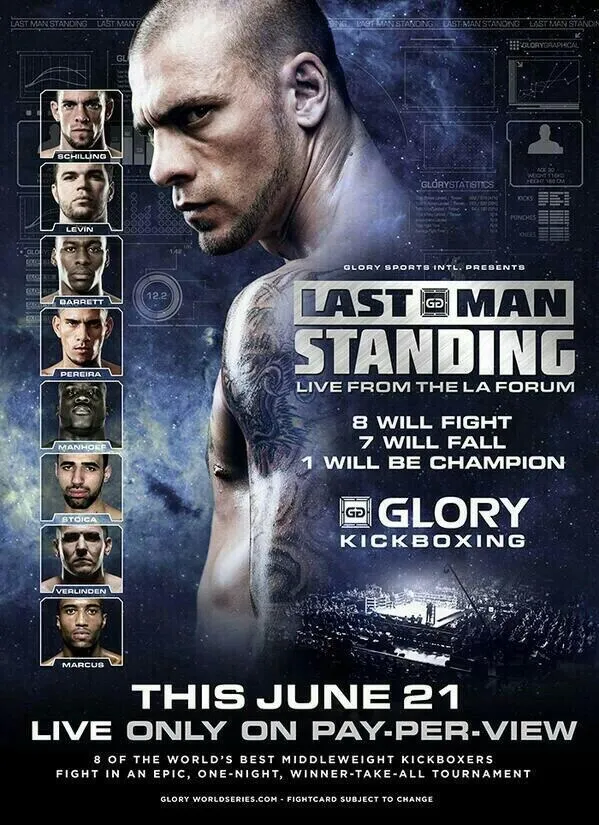
Alex Pereira, however, drew the toughest possible matchup in Artem Levin. The future all-time great entered as the tournament favorite and the frontrunner to capture the inaugural middleweight title.
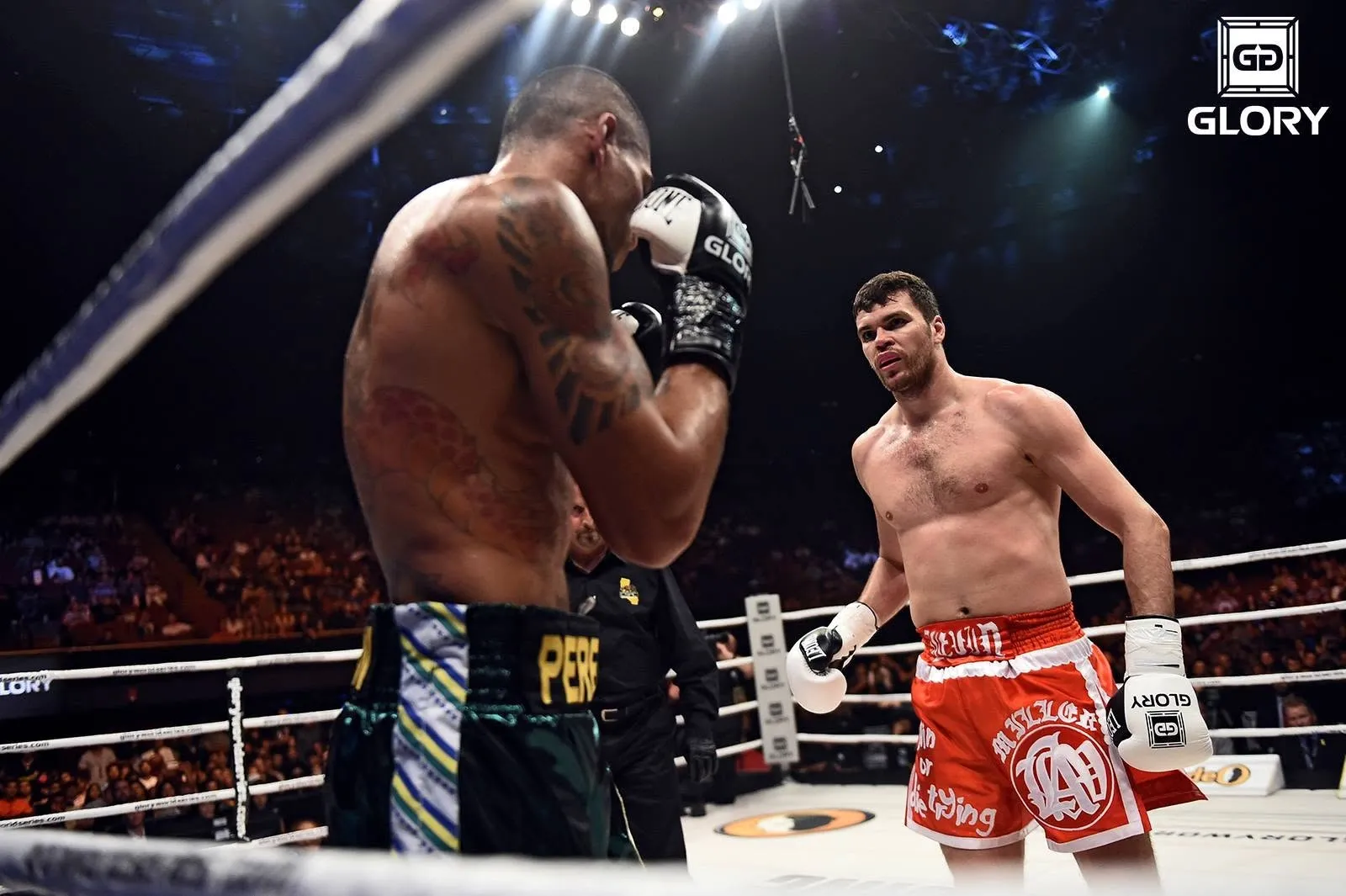
Levin wasted no time handing Pereira the most one-sided loss of his career. He outboxed and outmaneuvered the Brazilian across three rounds, earning a clean 30–27 sweep on all judges’ scorecards. Levin went on to win the tournament, cementing his legacy as one of the division’s greats.
Nonetheless, he was impressed by the young Brazilian, calling him “the best puncher he’s ever faced” despite the one-sided victory. It was a glimpse of what was to come.
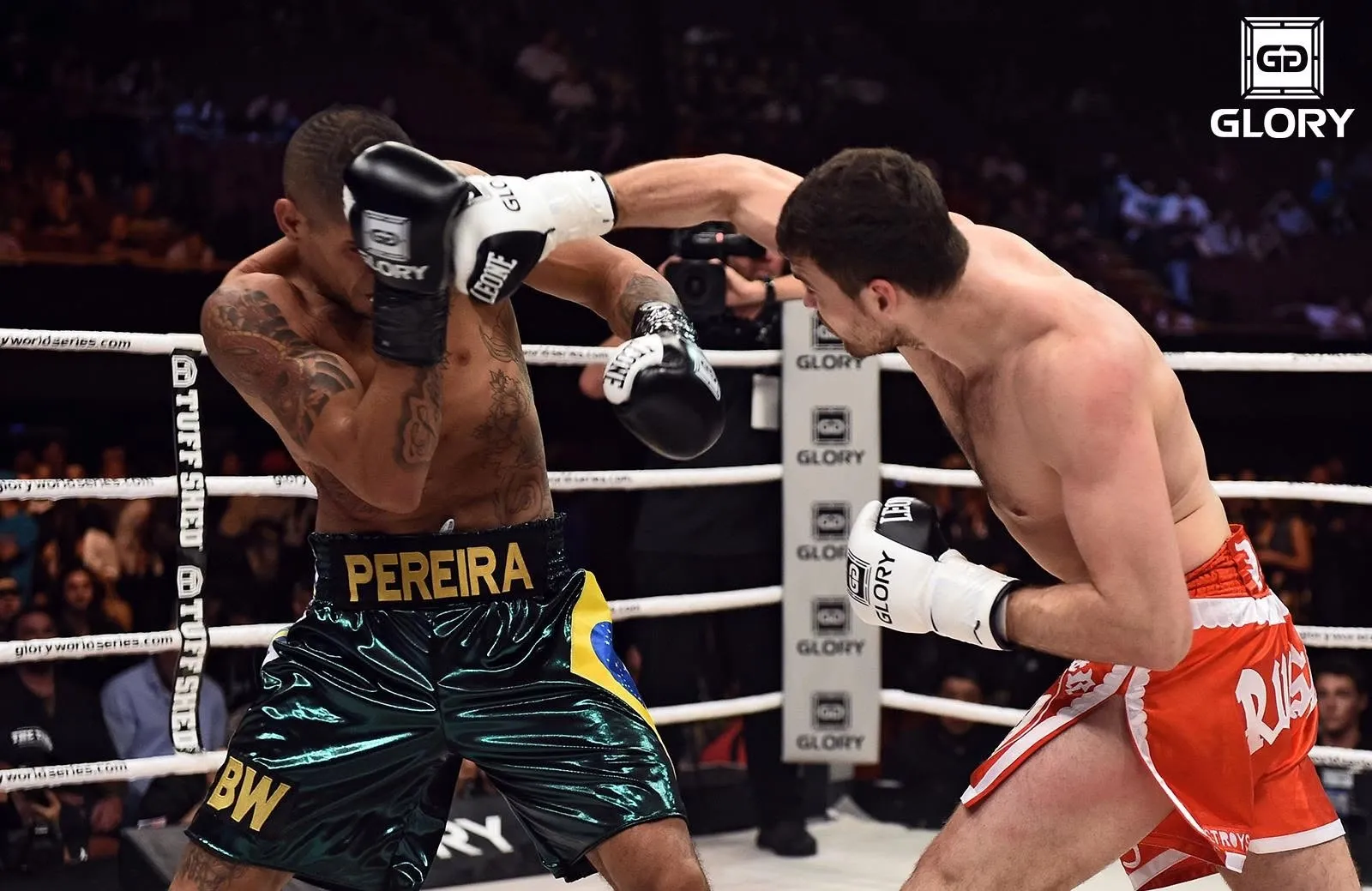
With non-exclusive contracts, Pereira split his time between WGP and GLORY, where he picked up two more wins before returning to GLORY. There, he met Jason Wilnis in a highly anticipated rematch but once again came up short, losing by decision. The fight was part of a four-man contender tournament, with the winner earning a shot at reigning champion Artem Levin. Wilnis went on to face Canadian standout Simon Marcus in the final, losing by decision.
Pereira returned to Brazil for a rematch with César Almeida. After coming up short in their first encounter, he avenged the loss with a unanimous decision victory, closing that chapter of their rivalry.
TROUBLE IN CHINA
In 2016, Pereira faced his next major challenge in China, taking on Israel Adesanya for the first time at Glory of Heroes 1, not to be confused with GLORY. Adesanya entered the bout as the No. 7 middleweight in the world. The fight ended in a controversial decision, but Pereira emerged victorious, securing the best back-to-back wins of his career up to that point.
Having made waves in China, he soon found himself matched against kickboxing legend Artur Kyshenko under the Kunlun Fight banner. Formerly a 70 kg competitor, Kyshenko had since established himself at 77 kg and was widely regarded as one of the sport's pound-for-pound elite. UFC fans often wonder how Pereira ever managed to make 85 kg; here, he weighed in at just 81 kg, the lowest weight of his professional career.
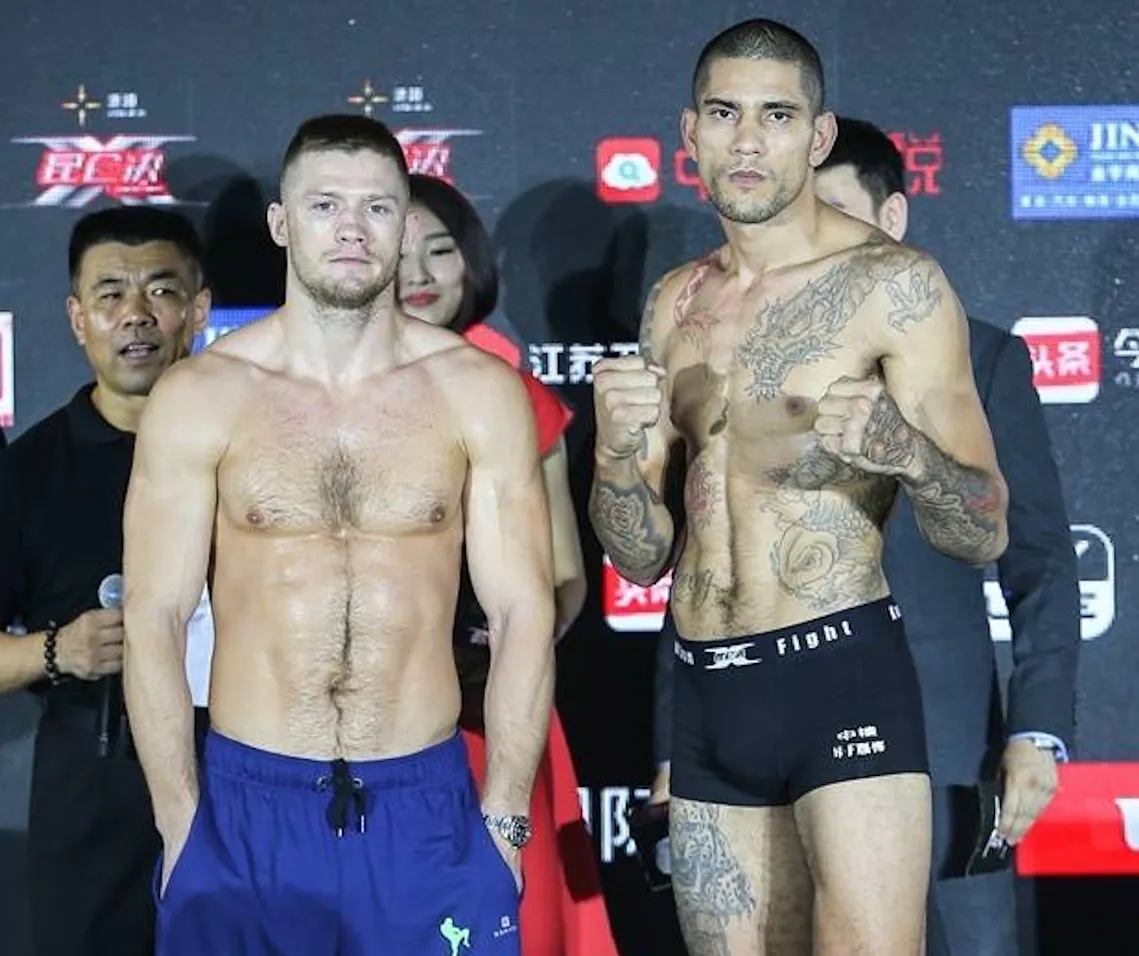
Pereira started reasonably well, but as the fight wore on, Kyshenko began to overpower him. Reminiscent of his first loss to Jason Wilnis, Pereira ultimately fell to the Ukrainian powerhouse. The victory extended Kyshenko's impressive winning streak to 18 fights and marked the last time Pereira would be knocked out in his kickboxing career.
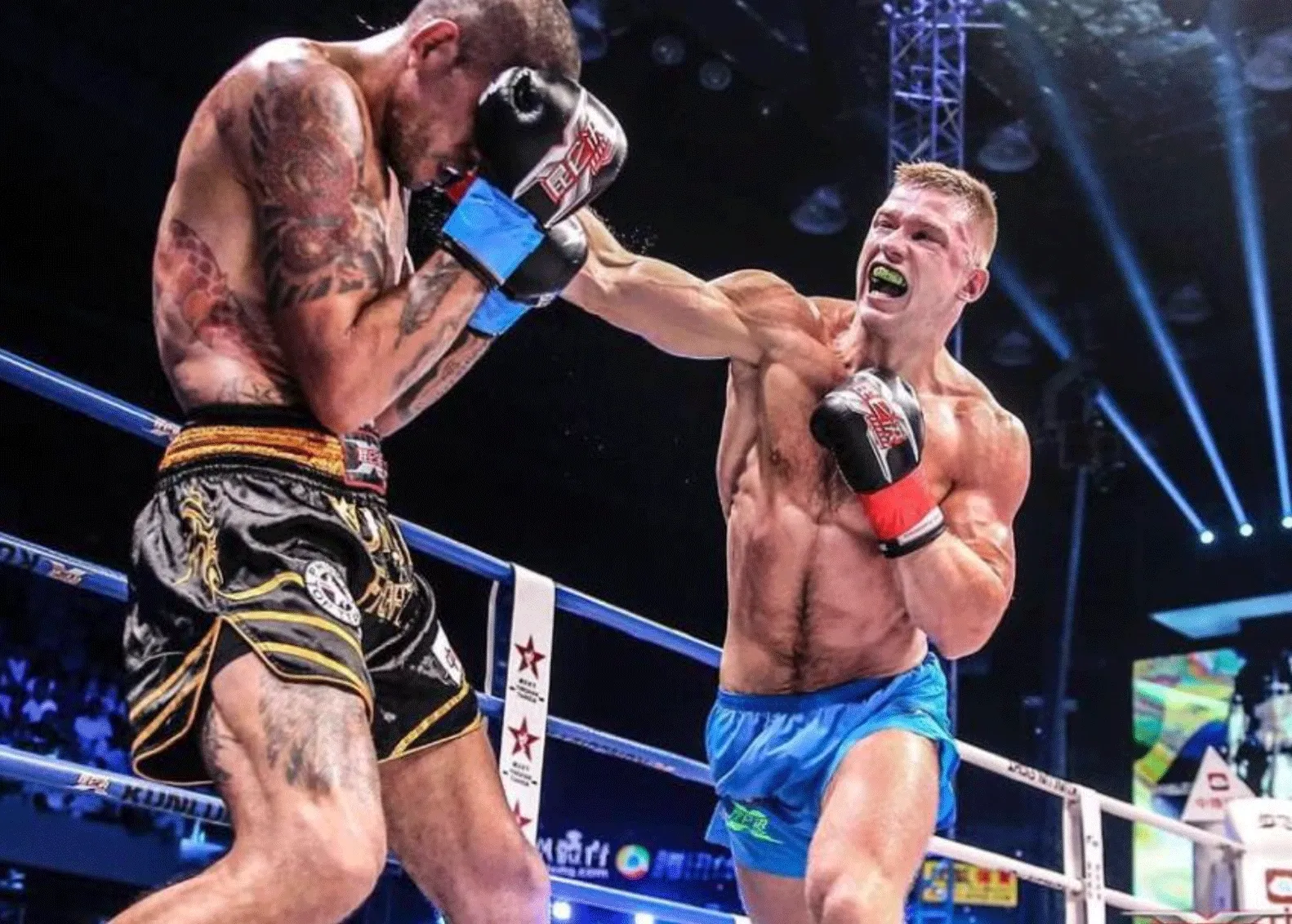
What followed was another crack at Israel Adesanya after their controversial first bout. This time, Pereira left no doubt. Despite being in serious trouble early, he knocked out the New Zealander with a left hook in the third round, bringing their kickboxing rivalry to an end before it was later reignited in MMA.
GLORY REIGN
Fast forward to 2017, and Pereira began his reign as GLORY middleweight champion. He amassed five title defenses, a record surpassed only by Donovan Wisse last year. While it is easy to criticize his title reign in hindsight, it is important to consider the circumstances. Yousri Belgaroui ultimately failed to deliver against top-level competition time and time again, Jason Wilnis was already on the decline, losing six of his final seven fights after facing Pereira, and Ertugrul Bayrak arguably never should have been fighting for the title in the first place.
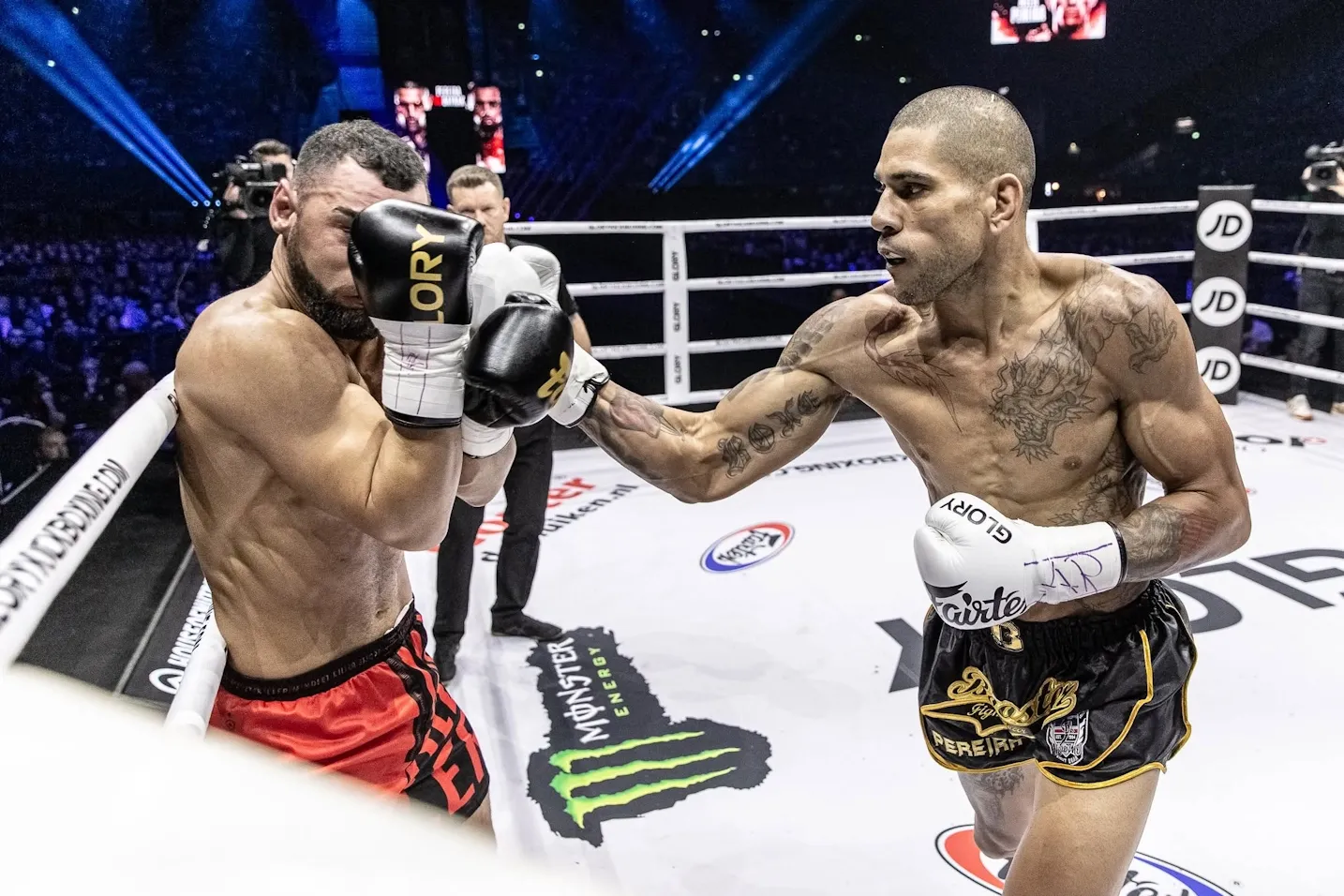
There were, however, notable victories. Pereira defeated Simon Marcus, engaged in two controversial fights with Artem Vakhitov while capturing his second undisputed world title, and beat a 23-year-old Donegi Abena. At the same time, his reign was defined by a lack of elite opposition. To Pereira's credit, he dispatched the challengers put in front of him in spectacular fashion, producing highlight-reel knockout after highlight-reel knockout.
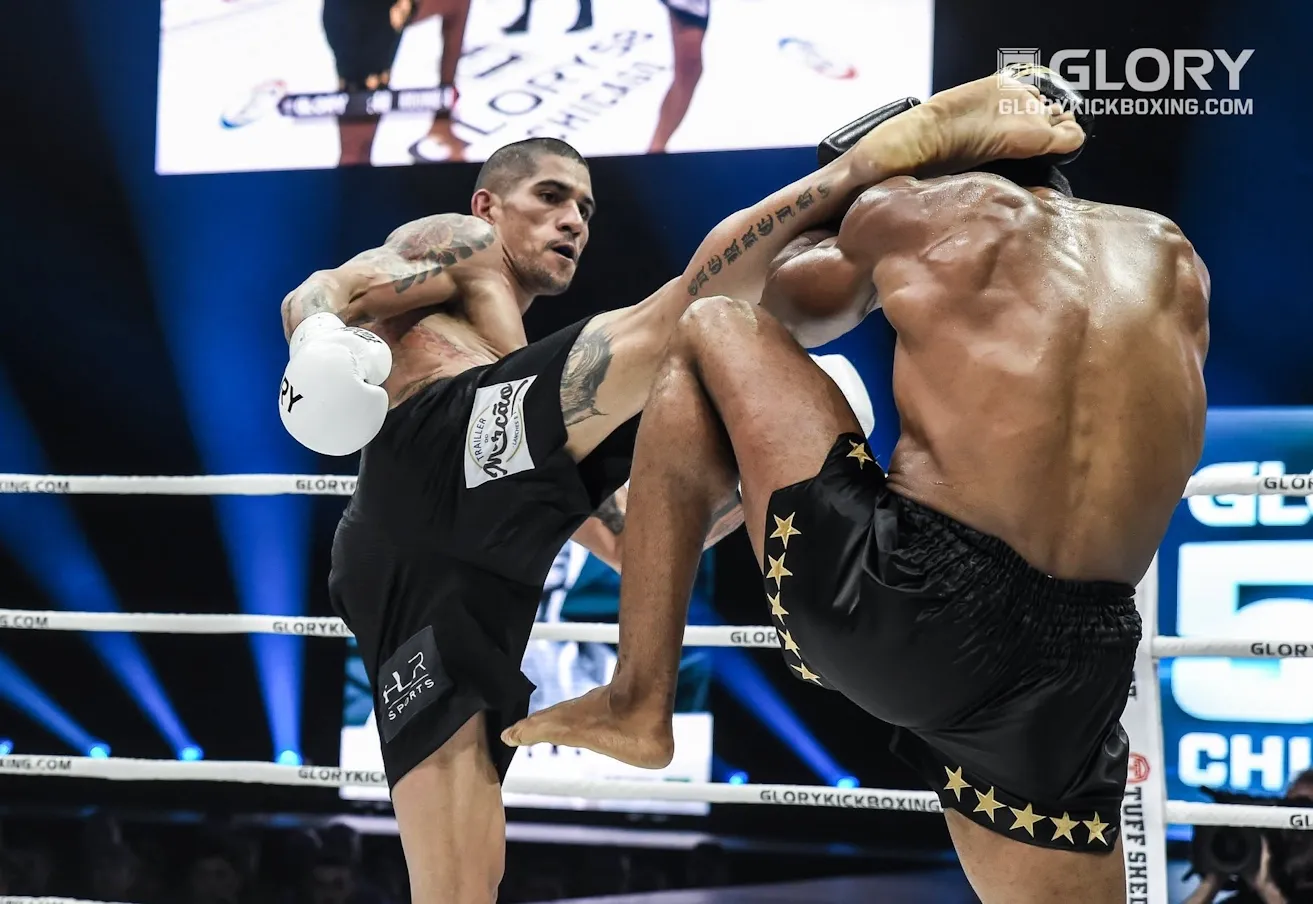
Was Alex Pereira the best kickboxer in the world at his peak? No. Combat Press ranked the Brazilian No. 6 pound-for-pound in March 2021 after winning his second world title, which feels about right.
Pereira rose to prominence at an unfortunate time for both the middleweight and light heavyweight divisions. When he was an up-and-coming fighter, he was too inexperienced to put on competitive performance against the likes of Artem Levin. Later, he narrowly missed opportunities to face the next generation of elite talent, such as Sergej Maslobojev and Donovan Wisse, not because he avoided those fights, but because circumstances prevented them from happening.
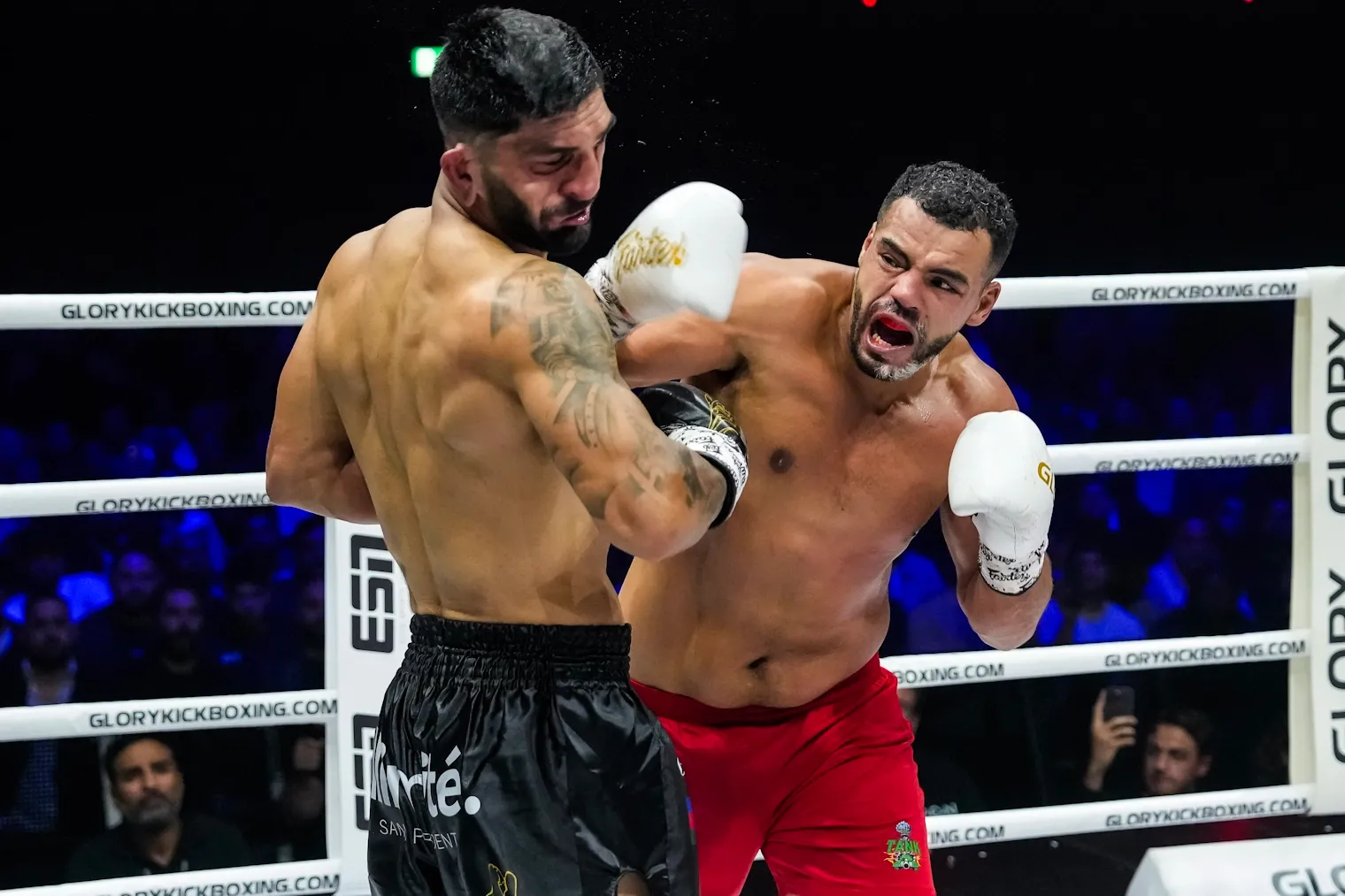
Today, the light heavyweight division is stronger than it has ever been, with many top fighters even competing successfully at heavyweight. Could Michael Boapeah, Bahram Rajabzadeh, Sergej Maslobojev, Miloš Cvjetićanin, or even Thian de Vries have beaten Pereira? Who knows. But those are exactly the kinds of names that could have strengthened his résumé and given him a far more convincing case as one of the sport's all-time greats, beyond the impressive list of accolades he already possesses.
CONCLUSION
Ultimately, Pereira's kickboxing legacy is a fascinating mix of achievement and missed opportunity. He captured world titles in two weight classes, defeated elite names such as Israel Adesanya, Simon Marcus, and Artem Vakhitov, and produced some of the most memorable knockouts of his era.
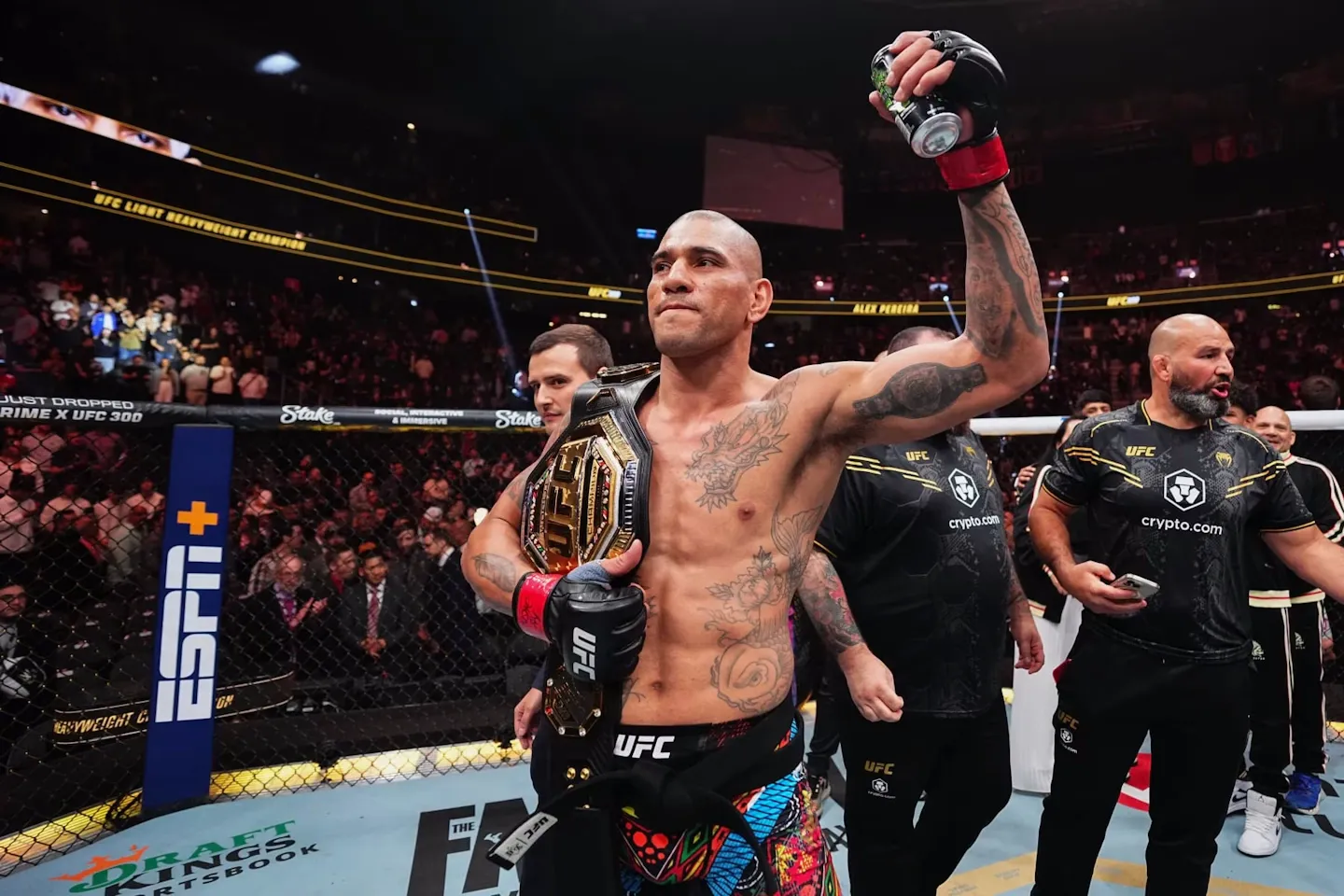
Yet, due to timing and circumstance, many of the defining matchups that could have elevated his résumé from great to undeniable never materialized. Calling Pereira's kickboxing career a missed opportunity would be a disservice to his achievements, but his departure left the door open to speculation. Given the success he later enjoyed in MMA despite his age, it is reasonable to believe he could have further strengthened his case as one of kickboxing's all-time greats had he remained in the sport.
Even if he does not sit comfortably among the sport’s all-time greats, what is beyond dispute is that he left kickboxing as one of its biggest stars before achieving even greater things in MMA.